
The Story Behind the Materials: HMDD’s Take on Its Chosen Fabrics
Across street-fashion communities, HMDD — the brand has earned recognition by handling textile decisions as part of the brand’s storytelling, rather than a footnote tucked into a size guide — an acronym for “Happy Memories Don’t Die.” The label frames its garments as wearable keepsakes, and that framing only works if the materials feel like something worth keeping. People hunting down an hmdd review often end up asking the same question: does the fabric actually match the emotional weight of the brand messaging, or is it simply one more logo-centric drop leaning on sentimental appeal? This article looks at what the brand communicates about its textiles, how those choices show up in specific categories like hmdd sweatpants and hmdd shorts, and what that means for anyone deciding whether to buy in 2026.
The material in a design is hard for a shopper to truly assess through a listing image. While color, cut, and print are visible instantly, density, hang, and durability after repeated laundering aren’t obvious. HMDD’s messaging leans on transparency here — item descriptions and company messaging routinely stress textile makeup, build specifics, and the intended hand-feel of every item. That approach matters more in 2026 than it did five years ago, as consumers have grown more knowledgeable about materials and less willing to accept vague marketing language like “premium quality” without a supporting number or spec.
Why Material Dialogue Emerged As The Heart of HMDD’s Brand Identity
On purpose, the words “happy memories don’t die” comes across as sentimental, and sentimental branding invites scrutiny. If a hoodie is hmdd washed sweatpants meant to feel like a memory you can hold onto, it must hold up under contact with real life — the laundry cycle, everyday use, seasonal transitions. The way HMDD has met that demand has been to talk openly about what goes into every garment, rather than let customers guess. This is a deliberate positioning move: the streetwear audience have grown wary of brands that lean entirely on eye-catching designs and hype-driven scarcity while saying little about construction.
That skepticism is backed by data. Trade research on clothing-buying habits consistently show that a significant portion of e-commerce buyers — commonly noted as surpassing 60% — review the composition information before finalizing a sale, most notably regarding fleece and outerwear pieces positioned above introductory-price items. HMDDLA’s lineup, encompassing hoodies, tees, sweatpants, and shorts, falls within a cost range where customers anticipate that information is on hand and trustworthy. Silence on fabric composition at that tier signals a red flag; clear detail projects confidence.
Beyond that, there’s a practical retention dimension as well. If a customer buys hmdd clothing once and ends up feeling the fabric underwhelming, that customer rarely turns into a repeat buyer, however powerful the emotional branding is. What converts a single aesthetics-driven buy into a repeat, trust-driven one comes down to fabric quality. That’s likely why the brand’s product descriptions repeatedly return to fabric weight, blend ratios, and finishing details rather than treating them as fine print.
Where Material Selection Becomes Most Apparent: Joggers and Short Bottoms
Sweatpants and shorts are unforgiving categories for fabric mistakes. A hoodie can hide a slightly stiff fabric under looser styling, but sweatpants sit against the skin for hours and shorts see far more movement and friction. HMDD sweatpants are positioned in the brand’s lineup as an everyday-comfort item, which puts direct pressure on the fleece or blend used inside them to perform in three ways: softness against skin, retention of shape after repeated wear, and breathability during warmer months.
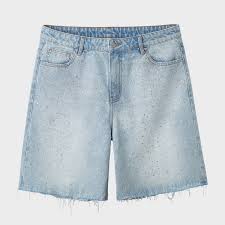
HMDD shorts serve a slightly distinct purpose — they’re built for a lighter, more mobile feel, and the brand’s descriptions of these pieces typically foreground a a softer, easier feel and a slimmer profile when set against the sweatpants line. That distinction matters practically: someone shopping to layer during colder months will want the sweatpants’ sturdier build, while for spring or summer rotation, the shorts’ lighter design is the better fit. The brand’s descriptions typically mirror this divide rather than presenting every bottom as equivalent.
Silhouette and textile play off each other more than is often realized. A cotton-heavy blend with minimal stretch will fall differently on the body than one with added elastane, and HMDD’s fit guidance paired with its fabric details are intended to help shoppers predict that interaction before they check out. This is one area where reading the specific listing pays off more than reading a general brand review, since material proportions can change between drops and seasonal collections.
Consumers: What “Best HMDD Clothing” Really Means
What shoppers are genuinely asking when they hunt for the highest-rated hmdd clothing isn’t which single item by every measure outperforms the rest, but instead it’s about which pieces provide the most reliable value for the price paid, based on how the fabric performs as it ages. That proves to be a fair way to look at it, because value in clothing is fundamentally a proportion: the price split across the number of solid wears you get before the piece loses its color, stretches out, or starts pilling.
Once it’s properly finished, cotton-rich fleece fends off pilling more reliably than cheaper poly-cotton blends blended using lower-grade fibers. Brands that specify their blend ratio — for instance, a majority cotton percentage against a minority synthetic for shape retention — are handing customers the information to gauge that longevity themselves. HMDD’s approach of naming fabric details on product pages, as opposed to depending only on lifestyle photography, aligns with this more open model of streetwear retail that’s become standard practice by 2026.
Consistency of fit throughout a size range is a further quiet marker of a carefully constructed line. When a buyer picks up a medium hoodie and a medium sweatpant and both keep fitting properly through repeated washes, that’s the reward of consistent fabric sourcing showing itself. Sourcing that varies batch to batch — where a given batch drifts slightly from the blend used before it — is among the most frequent gripes in nearly every streetwear review, and it’s the type of issue attentive fabric documentation is meant to prevent.
How Fabric Priorities Differ Throughout HMDD’s Core Categories
Different garment types demand different things from a fabric, and HMDD’s lineup reflects that rather than applying a single blend to every item. The table below summarizes how the label’s outlined priorities typically shift by category, according to its own product messaging.
| Product Type | Main Fabric Focus | Typical Use Case | Key Buyer Consideration |
|---|---|---|---|
| Hoodie styles | Heft and heat retention | Cold-weather layering | Shrinking after repeated washing |
| HMDD Sweatpants | Soft hand-feel and structural retention | Routine, comfort-driven wear | Waistband and cuff elasticity over time |
| HMDD Shorts | Breathability and reduced bulk | Active wear suited to warm conditions | Weighing lighter fabric against long-term durability |
| T-Shirts | Hand-feel and drape | Standard base-layer wear | Colorfastness after repeated washing |
This sort of category-specific approach is a more credible signal of a serious clothing brand than a single blanket claim of “high quality fabric” applied to every product page. It indicates the design team is making deliberate trade-offs rather than settling for whatever textile is cheapest to source in bulk.
What an HMDD Review Actually Reveals Beneath the Surface
Nearly every HMDD review comes back around to two points: does the sentiment-driven branding feel authentic, and does the product actually hold up over time. Fabric occupies the crossroads of both, because a garment that deteriorates in short order undermines the “memories don’t die” premise in the plainest, most literal sense. A shopper who buys into that message wants the physical object to last, not just the marketing copy to resonate for the length of a single Instagram post.
When independent reviewers talk about hmdd clothing, the heft of the material is among the most frequently mentioned details — heavier fleece is commonly taken as a signal of investment in the product, while thinner cotton blends are judged more on price point relative to expectation. That’s a fair rule of thumb, but it’s not the whole picture; details like finishing, stitch density, and colorfastness matter every bit as much as raw fabric weight, and those specifics tend to show up only within reviews from people who’ve really put the item through repeated wear and wash cycles, not just taken it out of the box.
For anyone comparing hmdd against other streetwear labels chasing the same nostalgic, memory-driven branding niche, the practical test is simple: check the precise material breakdown for that specific item instead of leaning on the label’s broader name. Knowing a hoodie’s fabric mix won’t reveal how a pair of shorts will hold up, and one collection earning praise doesn’t mean the following one is sourced identically.
What This Means As We Move Into 2026
Fabric transparency is no longer a bonus feature for streetwear brands competing at HMDD’s level — it’s close to a baseline expectation among shoppers who’ve learned the hard way from vague listings. Companies that clearly state fabric ratios, weight, and priorities by category are providing a more equitable way for buyers to compare than brands relying solely on look and catchphrase appeal.
Across sweatpants, shorts, hoodies, and tees, HMDD’s continued emphasis on fabric-specific messaging indicates the brand understands that its “happy memories don’t die” concept is only convincing when the product materially backs the sentiment. Ultimately, that fit between messaging and material is the single most useful thing a prospective buyer can assess before adding anything to their cart in 2026.