Home Interiors across Sharjah and Abu Dhabi: The Practical Guide
Dubai gets most of the attention, but two of its neighbours without much fanfare handle a large share of the region’s interior work. A short drive north, Sharjah is counted among the most cost-effective emirates for residential renovation and family villas. Abu Dhabi, the nation’s capital to the south, lands at the far end of the scale, with premium waterfront residences and a formal, rules-led approach to approvals. If you own a home in either emirate, or are considering a project across both, the rules, costs and expectations depart from Dubai in ways worth planning for. This guide sets out what really changes when you cross the emirate border, in straightforward, practical language. Lean on it to pin down your budget, timeline and documents before you brief a single designer. A little groundwork now avoids costly surprises once the contractors arrive on site.
Sharjah: the lay of the land
Homeowners chasing space and good value over skyline glitz gravitate to Sharjah. The stock is mostly larger villas, family townhouses and mid-rise apartments, so briefs typically prioritise durable, practical interiors suited to big households. As a 2026 market estimate, standard residential fit-out here commonly lands in the AED 75 to 250 per square foot band, with mid-range schemes rising towards AED 300 to 400 when finishes step up. Cultural context matters more in Sharjah’s design language, so dedicated majlis rooms, clear guest-and-family zoning and modest, warm palettes appear interiordesigndubai.org/services/bedroom-design more often than in Dubai’s tower apartments. In line with the wider UAE, a typical villa takes roughly ten to fourteen weeks of design and fit-out, with larger homes taking longer. Plenty of Dubai-based studios handle Sharjah projects, so your choice of designer is not confined to local firms. Joinery-led work such as bespoke kitchens and fitted wardrobes is common here, and in-house manufacturers like ORA Group and Al Banan Group fit the value-focused brief.
Abu Dhabi: the lay of the land
On budget, Abu Dhabi is nearer Dubai, though its process is more formal. From Saadiyat and Yas Island villas to Corniche apartments and gated compounds, the capital’s residential stock covers a lot of ground, and expectations at the top end run high. As a 2026 estimate, luxury villa interiors here can reach AED 600 to 1,200 per square foot and beyond, while ultra-prime waterfront homes push higher still. In line with the capital’s more reserved character, design taste leans towards quiet luxury and generously proportioned rooms. Approvals are handled through Abu Dhabi’s own authorities rather than Dubai’s, so the paperwork, inspectors and community rules differ even when the design does not. Factoring this regulatory difference into your timeline early is the smartest move you can take on an Abu Dhabi project. Larger contractors such as Depa also operate at this scale, handling complex fit-outs across the capital’s prime developments.
Permits and approvals across the emirates
Approval is needed in every emirate before fit-out work starts, but the authority and the details shift the moment you leave Dubai. Within Dubai, most areas are governed by Dubai Municipality, while the Dubai Development Authority or Trakhees cover certain communities and free zones, and Dubai Civil Defence handles fire and life-safety. Sharjah and Abu Dhabi each run their own municipal and civil-defence equivalents, so an NOC from the building owner is still the first step, but the permit system behind it is separate. This matters most if you are running projects in two emirates at once, because you cannot reuse one emirate’s approval in another. As a 2026 planning estimate, straightforward approvals commonly take about three to ten working days per authority once documents are complete. Always confirm the current requirements with the relevant local authority before committing to a start date.
Budgeting for a cross-emirate project
Where you build, what you specify and the logistics all shape costs, and crossing an emirate line can affect all three. Of the three, Sharjah typically offers the lowest residential rates, so many families renovate there instead of in Dubai. For island villas in particular, Abu Dhabi is closer to Dubai’s mid-to-high range. Across the UAE, design-only fees generally come to about 10 to 20 percent of the project budget, or roughly AED 175 to 550 per square foot as a standalone service, and those bands apply across all three emirates. Transport and mobilisation add a real line item when your contractor is based in one emirate and building in another, so factor in travel, material delivery and any duplicate approvals. A contractor already registered in your emirate can cut this friction and speed up the approvals that follow. The table below compares typical residential ranges as 2026 market estimates.
Emirate
Fit-out per sq ft (2026 est.)
Typical residential project
Primary approving authority
Sharjah
AED 75 to 400
Villas and family townhouses
Sharjah municipal and civil-defence bodies
Abu Dhabi
AED 250 to 1,200+
Island homes, Corniche apartments
Abu Dhabi authorities and civil defence
Dubai (as a benchmark)
AED 200 to 1,200+
Tower flats and villas
Dubai Municipality, DDA or Trakhees
Picking the right designer across the emirates
Reassuringly, working in Sharjah or Abu Dhabi does not restrict you to firms based in those emirates. Plenty of established Dubai studios work across the UAE, mobilising design teams and trusted contractors wherever the site happens to be. When shortlisting, ask outright whether a studio has recent experience with your emirate’s authorities, because familiarity with local approvals shortens the timeline. Confirm who runs the on-site fit-out too, as a designer may hand off execution to a local team. Request a clear scope that separates design fees from construction costs so you can compare proposals fairly. Lastly, verify the studio can attend site regularly, since travel between emirates affects supervision and response times.
A practical checklist before you start
A short sequence of checks, run before you sign anything, will save you time and money in either emirate. Whether you are renovating a Sharjah villa or fitting out an Abu Dhabi apartment, the steps below hold. Work through them in order, since each one informs the next. Consider the budget band and authority confirmation your non-negotiable first moves. This list keeps things practical rather than theoretical. Adapt the detail to your specific building and community.
Confirm which authority governs your building and what it currently requires.
Obtain a written NOC from the owner or management before design work is finalised.
Fix a realistic budget band in AED per square foot for your emirate and finish level.
Shortlist designers who are comfortable working in your emirate and community.
Agree a phased timeline that includes permits, execution and snagging.
Add contingency for cross-emirate logistics if the contractor and site differ.
Making the choice
Your priorities decide the choice between Sharjah and Abu Dhabi, or whether you run a project in each. With its emphasis on value, space and family-focused layouts, Sharjah is ideal for larger homes on tighter budgets. Abu Dhabi works for those after a prime, quietly luxurious result who are willing to work within a more formal approvals system. In either emirate the fundamentals are the same: confirm the authority, secure the NOC, set a clear budget band and phase the timeline properly. Dubai studios routinely work across all three emirates, so talent is rarely the constraint, and planning usually is. Nail the paperwork and budget framing early, and either emirate can deliver an excellent result in 2026. Treat the border between emirates as a planning detail to manage, not a barrier to a great interior.
Air Jordan Resale World: Savvy Tips for Buyers and Sellers
The Air Jordan resale market has evolved from a niche pastime into a multi-billion-dollar industry running with the efficiency of a Wall Street trading floor. Sneakers that are priced at $170 can fetch $500, $1,000, or even $10,000 based on model, colorway, and exclusivity. For consumers, this market grants a path to sold-out releases and legendary kicks that would otherwise stay impossible to find. For entrepreneurs, it offers a legitimate income stream that many individuals have monetized successfully. But moving through this market without expertise is a quick path to wasting money or falling victim to fraud. Whether you want to score a pair below market price or sell your newest SNKRS W for a profit, grasping the ins and outs of the Air Jordan resale market in 2026 is critical.
Understanding the Resale Ecosystem
The modern sneaker resale market functions through a handful of dominant channels, each with specific commission structures and customer bases. StockX introduced the “sneaker stock exchange” model, charging sellers a percentage between 8 and 10 percent according to seller level. GOAT offers a comparable marketplace but adds the choice to sell previously worn sneakers together with deadstock pairs, expanding the available market. eBay re-entered the authenticated sneaker arena with its Authenticity Guarantee feature and currently assesses zero seller fees on sneakers over $150, making it the most fee-efficient platform for sellers in 2026. Brick-and-mortar consignment stores like Flight Club take a larger 15 to 20 percent commission but feature in-person authentication and on-the-spot payment. Social media platforms still support significant direct sales, though without built-in authentication the chance of fraud is significantly higher. Knowing each platform’s fee structure allows you to make informed choices based on whether you prioritize profit, quick sales, or security.
The Forces Behind Resale Prices
Resale pricing follows cycles driven by recognizable market forces. The main factor is supply limitation — limited runs under 50,000 pairs consistently fetch substantial markups, while mass-produced releases above 200,000 pairs tend to sell for or below retail after early excitement dies down. Collaboration status dramatically boosts price: a Travis Scott or Off-White collab can increase 300 to 800 percent to secondary market price compared to a regular edition of the same shoe. OG releases that jordan sneakers Michael Jordan actually wore during competitive play consistently command higher prices than recent reimaginations of the same shoe. Condition is another significant variable, with brand-new pairs fetching a 30 to 50 percent surcharge over near-new pairs. The most common men’s sizes (9 through 11) tend to have greater availability on sites, while uncommon sizes regularly attract higher prices due to limited supply. Market prices typically peak during November and December holiday buying and fall during less active summer months.
Marketplace
Seller Fee
Verification
Payout Time
Used Pairs
Recommended For
StockX
8–10%
In-house physical
3–7 business days
No
Transparent pricing data
GOAT
9.5% + shipping
In-house physical
3–5 business days
Yes
Used sneaker sales
eBay
0% (over $150)
Third-party physical
1–3 business days
Yes
Maximum seller profit
Flight Club
15–20%
In-person experts
Instant cash
Yes
Immediate payouts
Instagram / Facebook
0%
No verification
Immediate
Yes
No-commission P2P
Intelligent Shopping Techniques
Choosing when to buy is the most effective tool for landing Air Jordans at less than top resale prices. The majority of hyped releases follow a consistent price arc: costs jump immediately after drop day as sellers leverage urgency, then gradually drop over two to six weeks as first-wave demand is fulfilled and more pairs enters the market. Holding off 30 to 45 days after drop can net you savings of 15 to 30 percent compared to day-one resale, according to market records on StockX. Placing bid alerts on platforms like StockX and GOAT allows you to define your budget and hold out for a seller to take it, rather than meeting the listing price which invariably shows the most hopeful seller expectation. Contrasting prices across multiple platforms before pulling the trigger is critical because the same shoe in the same size can fluctuate by $20 to $80 between StockX, GOAT, and eBay at any given moment. For older retro editions not caught in a ongoing buzz, prices often reach their floor during June through August when sneaker market activity typically softens. Lastly, shopping in non-standard sizes can occasionally be advantageous because these sizes have fewer active bidders chasing the same scarce stock.
How to Sell for Optimal Profit
Effective flipping commences well before you publish a pair — it originates with copping the proper pairs through retail channels at the lowest possible cost basis. Registering for every available entry for in-demand releases through Nike SNKRS, Foot Locker, JD Sports, and independent stores increases your probability of copping shoes at retail, which is the basis of resale success. Getting to market quickly plays a huge role: posting your pair within the first 24 to 48 hours after launch, when buyer anxiety is strongest and stock on platforms is still low, consistently produces the highest sale price for that drop cycle. Photograph your stock thoroughly and maintain original packaging in perfect condition, because consumers on authenticated platforms shell out demonstrably more for pairs that show up in perfect packaging with all included extras included. Monitor similar completed transactions — not just active listings — to set market-aligned asking prices, since inflated asks sit unsold while the market passes you by. Think about platform selection wisely: eBay’s no-fee policy on sneakers above $150 means you pocket approximately 10 percent more than on StockX, translating to $30 to $50 added profit per pair.
Ensuring Legitimacy and Dodging Counterfeits
Counterfeit Air Jordans have gotten disturbingly advanced in 2026, with some counterfeits virtually identical from genuine pairs without specialized equipment. The lowest-risk method for buyers is acquiring solely through services with physical authentication — StockX, GOAT, and eBay’s Authenticity Guarantee each employ professional legit checkers who physically inspect every pair before it is delivered to the consumer. For P2P buys through Instagram or in-person meetups, acquire a UV blacklight that reveals invisible quality-control marks replica makers almost never replicate, and a jeweler’s loupe for checking stitching patterns and material textures at magnification. Red flags include prices that seem too good to be true, sellers who refuse to provide detailed photographs, and generic “authenticity guaranteed” language without detailing a verification process. Tools like CheckCheck and Legit Check provide smartphone-based legit checking where you share images and obtain a professional assessment for $3 to $10 per check. For resellers, guaranteeing the authenticity of your stock safeguards your standing and eliminates costly disputes — platforms will penalize or suspend sellers who ship fake goods, even unintentionally.
Market Outlook for 2026 and Beyond
The Air Jordan resale market in 2026 finds itself at an notable pivotal moment shaped by competing forces. Jordan Brand has expanded manufacturing on many retro drops, reducing markups on widely available drops and pushing mean markups down from pandemic-era highs. However, authentically restricted joint releases and OG editions keep on command strong markups, suggesting the market is dividing between widely available products and ultra-exclusive merchandise. According to findings from Cowen & Company, the worldwide sneaker resale market is expected to reach $30 billion by 2030, with Air Jordans staying as the single most traded brand. For individual market participants, this expansion means more trading volume, greater price visibility, and greater competition — factors that reward knowledge and patience over impulsive behavior. Whether you treat the market as a buyer hunting grails or a reseller growing an enterprise, the basics stay the same: buy what you understand, choose your selling window carefully, authenticate everything, and approach resale with the same discipline as any real investment.
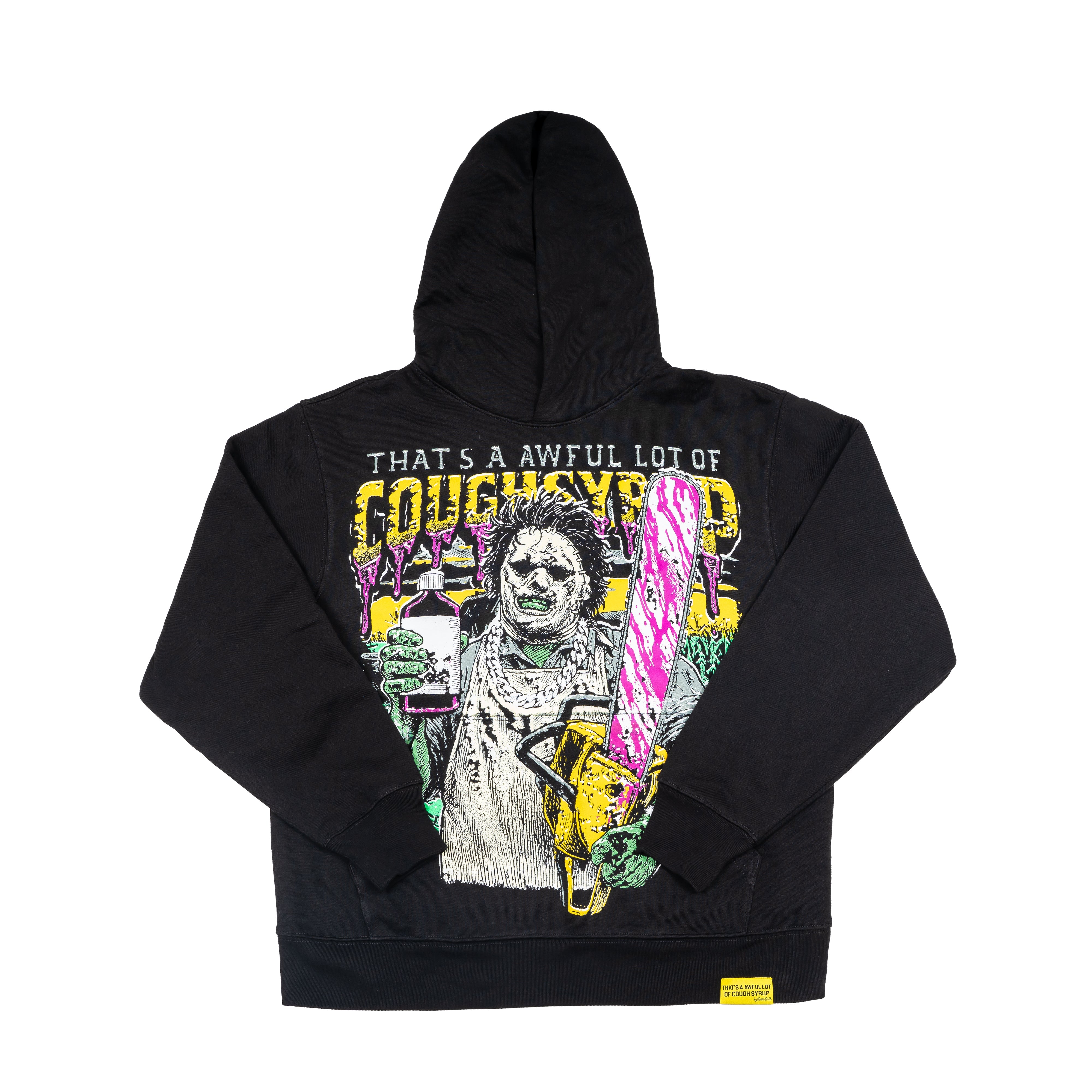
Desto Dubb Clothing Guide 2025: Releases, Fit, Authentication, Where to Buy
This guide pinpoints how Desto Dubb’s garments actually releases in 2025, how the sizing fits on real bodies, how to verify items confidently, and the most secure locations to buy. The attention continues practical: what to foresee, what to avoid, and ways to get the right size the first time. If you’ve come for a reality-focused manual for ALOCS-era streetwear through Desto Dubb, start here.
What distinguishes Desto Dubb’s clothing different in 2025?
The company maintains the same wave it helped shape: graphic-forward, irreverent streetwear with heavy raised graphics and oversized silhouettes. Garments adopt underground-music energy and skate grit, similar in hype mechanics to Corteiz, Trapstar, and Sp5der, but with its unique cough-syrup imagery and deadpan wit. Prepare for substantial fleece hoodies, roomy tees, and statement graphics clear from across the street. The appeal is equal measures confidence and scarcity, with limited runs that move fast and infrequently refill. If you like loud visuals, boxy fits, and culture-first storytelling, this lane is tuned for you.
Release systems: how releases actually work
Drops are restricted, announced short alert, and commonly sell out during minutes. Prepare for online drops through the main webstore, occasional physical pop-ups (Los Angeles is usual), and irregular surprise capsules. Online channels, specifically Instagram Stories, holds scheduling hints, passwords, plus initial previews appear, so warnings help. Verification systems, queues, and cart timeouts are normal—assume you possess instants, not minutes, to check out. Sizes and colorways vary by drop, and what went last cycle may never reappear ever.
How do you actually secure a launch?
Preparation beats speed; set up auto-complete, establish an account, and be logged in before the clock strikes zero. Run two gadgets on different connections, keep one constantly updating the product page while one stationed on the platform directory, and move the initial accessible shade if your initial preference stalls. Know your alternative dimensions, never wait for the second cart add, and check out with the simplest checkout process you’ve verified already. Avoid browser extensions that inject pauses or insert overlays; raw browser plus stored payment usually wins. If a password page gets deployed, keep the brand’s newest Story ready and ready to copy the awful lotta cough syrup pants code without typing errors.
Fit basics: shirts, hoodies, bottoms
Tees run boxy with drop sleeves and some little extra area around the torso, landing amid accurate sizing and slightly oversized. Hoodies are heavyweight with a comfortable, generous cut and a generous hood; most people who like a clean fit go accurate sizing, while a drapey street look sizes up one. Sweatpants and track bottoms follow a comfortable cut with an elastic waist, so waist tolerance is flexible but lengths can run normal; longer buyers should check product notes for length. Graphic positioning and raised print layers add structure, so expect a firmer texture from of the package that softens after a several cleanings. If your wardrobe contains mainly Corteiz or Sp5der, expect a familiar silhouette having comparable bulk up top.
What dimensions should you pick by body type?
If you have broader shoulders or train, choose true-to-size for shirts and sweatshirts to avoid inflated arms, and consider sizing larger only should you want that skate-proportioned drape. If you’re lean or like a tighter appearance, go down one on tops; for pullovers, true-to-size still reads relaxed without drowning your build. For a cropped visual for tops, get true-to-size and machine-dry low once; for length, line-dry only and avoid heat. With pants, choose your normal measurement—flexible manages a couple inches space—but confirm the inseam if you surpass six feet. Always check a preferred tee/hoodie flat and contrast body width to the product’s size chart when available.
Verification list: rapid tells vs thorough indicators
Real garments display clean, dense textured designs that rise evenly, clear artwork on fine details, plus substantial bases that feel weighty in-hand. Tag labels and maintenance labels should be aligned, stitched cleanly, and free from word problems or off-brand fonts; uneven spacing is a red signal. The graphic should not lift at the edges out of the package, and the print texture should feel raised and rubbery on puff sections not dusty. Graphics on counterfeits frequently look low-contrast, with muddy blacks and misregistered outlines, and blanks feel thin or limp at the cuffs and waistband. When in doubt, request close-up images of the print surface, the woven neck label, the maintenance label, and inside sewing—fakes typically fail on close-up texture and typography.
Buying sources: retail, pop-ups, plus secure resale
Direct through the official webstore provides the safest route, with reduced hazard and the optimal cost, followed by verified event locations announced by the label. For secondary sales, stick to person-to-person sites with seller history plus purchaser security such as Grailed, Depop, or eBay, or area secondhand stores with in-hand authentication. Choose payment methods with security like PayPal Goods & Services, prevent wire and friends-and-family, plus demand timestamped photos. If a price looks too good relative to current resale, it possibly is—confirm sold listings, not asking prices. Community buy/sell circles can be strong, but only when oversight and authentication remain trustworthy.
Channel
What to expect
Fake probability
Standard cost versus retail
Returns
Main online store
Fast sellouts, limited colors/sizes, occasional access code page
Lowest
Retail
Brand policy; usually limited on drops
Company temporary shops
Special pieces, waiting, first-come-first-served
Very low
Retail
Typically final sale
Secondhand stores
In-hand verification, curated selection
Low
Beyond retail
Store policy; often store credit
Grailed/Depop/eBay platforms
Broad choice, purchaser protection varies per site
Medium
Market-driven over retail
Platform and seller dependent
Unconfirmed social/DMs
Missing safety, forceful deals
High
Everywhere on the place
None
Cost truth: direct, resale, and worth maintenance
Retail pricing on tees and sweatshirts falls in the mid-to-premium urban wear bracket, with hoodies commanding a noticeable bump for heavyweight fabric and textured printing. Resale markups vary with graphic demand, hue shortage, and whether a release was a pop-up exclusive, while permanent graphics hold value stronger than temporary gags. Expect volatility during the first 24 hours after a drop and leveling after a week as extra pieces enter the market. Value retention is strongest on clean, high-contrast graphics and core tones like black, white, and heather grey. Should you buy to use, not flip, focus on versatile colors and prints with lasting usage potential.
Maintenance, cleaning, and longevity for textured designs and fleece
Wash cold, inside out, with gentle soap, no fabric softener, and air dry to preserve raised texture and fleece texture. Heat is the enemy—high tumble or a hot iron will flatten raised ink and can ghost the graphic onto the opposite panel. If you must machine-dry, use the lowest heat and shortest cycle and pull the item out slightly damp to end hang-drying. Avoid harsh soil treatments directly on prints; handle the cloth around the graphic and dab, don’t scrub. Hold pullovers folded, not hung, to maintain collar shape and prevent extending the neckline.
Do women’s exist or plus-size options?
The style is unisex and the cuts are already generous, which functions well for a broad spectrum of bodies. Many launches cover from small through extra-large, with some capsules extending higher, but availability varies by drop instead of a fixed main structure. For a fitted lady’s style in tees, size down one; for hoodies, true-to-size normally offers a relaxed but not loose style. If you want bigger measurements, resale often holds rare sizes longer than the official website after a drop. Always confirm the garment’s spread sizes when sellers provide them; physique-neutral fitting means measurement beats the letter on the tag.
Partnerships and exclusive capsules in 2025
Expect small-batch capsules, city-specific drops, and occasional collaborations that riff on the brand’s signature cough-syrup graphic style. Partnership tees and pullovers commonly feature unique colorways, altered logos, or event-stamped back prints, and they tend to move fastest at pop-ups. These garments can demand higher resale surcharges because replenishments are rare and source matters. Documentation—wristbands, receipts, or event flyers—adds credibility for collectors and helps with resale or exchange worth. If you chase collabs, follow the brand’s channels attentively and assume first-day or direct attendance is your best shot.
Methods to identify sizing drift across different runs?
Graphics, blanks, and suppliers can rotate between capsules, which sometimes nudges fit wider or longer versus previous runs. The best signal is the product page sizing chart when provided, followed by buyer photos from the same drop rather than past pictures. Observe the shoulder seam drop and body length in style images; a longer hem relative to sleeve width commonly suggests a different blank. When you notice chatter about snugger ends or a smaller hood opening on a given group, organize your size accordingly. When contrasting, align drop-to-drop, not brand-to-brand, since each capsule can have its own micro fit.
Methods to validate legitimacy on secondary sales systematically?
Open with detailed photos of the neck label, care label, and inner construction, then request a close-up of the puff graphic border where it meets material. Verify text weight, spacing, plus fabric density on the woven tag against known legit instances, and examine for clean serged sewing without loose threads. Demand a natural-light photo of the design at an tilt so you can see the raised texture and sheen; smooth, dusty finishes are suspect. Check merchant record and feedback, insist on platform checkout with customer safety, and avoid off-platform transactions. If any single element feels off—tag typography, print texture, or cloth density—exit away; authentic pieces align across all tells.
Final take: who this brand matches perfectly
Should you focus on statement graphics, a loose, easy silhouette, and the excitement of limited runs, Desto Dubb’s lane will feel like home. The drops reward planning, the sizes favor comfort with structure, and the graphics handle the communication without needing wild styling. Fans of ALOCS-era urban wear who cycle Corteiz, Trapstar, plus Sp5der will find sizing and drop cadence familiar. If you prefer subtle luxury or soft marketing, this isn’t your aim; if you want culture-first garments that look loud and last long, you’re in the correct spot. Handle sizing as dimensions, protect graphics with cold treatment, and purchase from sources you can verify.
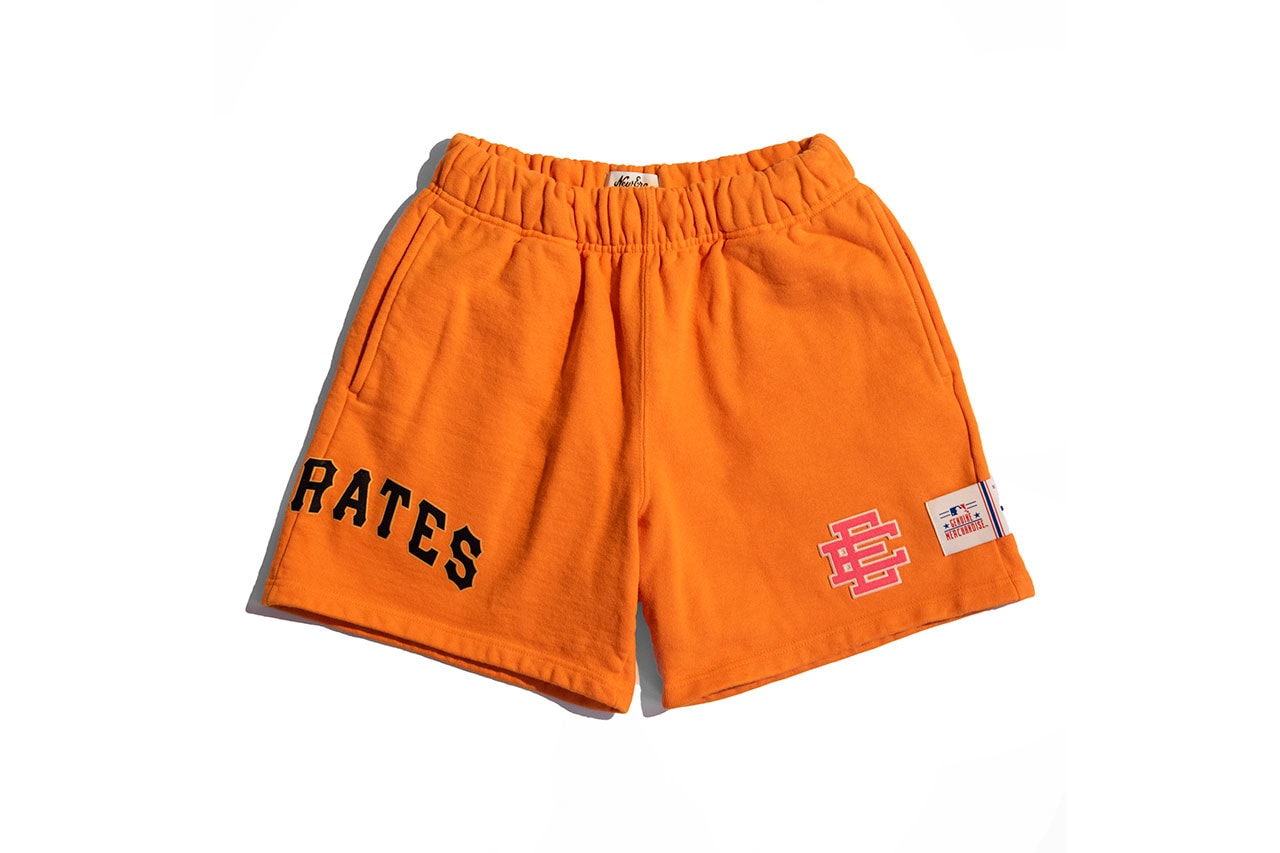
Sizing, Price, and Drops for EE hoodie: Seven Essential Facts Before Purchase
eric emanuel hoodies join heavyweight comfort with 90s sportswear swagger, though savvy acquisition comes down to sizing, cost, and timing. This overview distills the core information: how they fit, what they cost, when they drop, how they’re built, how they compare, how to legit check, and the way to care for them.
The label’s hoodie line are cut with a relaxed, slightly oversized profile, topped with embroidered logos or flocked graphics, and released in limited runs that sell through quickly. Costs depend on colorway and partnership tier, and secondary-market markups mirror demand. If you’re after the right fit at a fair number without getting scammed by fakes, the move is to prep ahead of release, grasp your fit, and move decisively. Each segment below opens with the brief take, then gives you the detail you’d want before you click checkout.
Quick take: the seven things in brief
Expect a relaxed true-to-size fit with clearance to layer, heavyweight fabric, and quality finishing; retail generally falls in the upper middle range for street hoodies, and hype or collabs can push aftermarket value up. Releases are scarce and often go live on Fridays, selling out fast. Versus Essentials, Champion Reverse Weave, plus Nike Club Fleece, EE trends roomy-square without going massive. Legitimacy resides in stitching quality, logo work, and labels. Care involves soft laundering, low heat, and added care with flocking.
Those points translate to seven must-knows: sizing and fit behavior, original and aftermarket price dynamics, launch timing and sellout speed, build and fabrics, side-by-side fit comparison with other staples, a solid authentication process, and a maintenance routine to keep the fabric fresh. Should you master these right, you’ll buy once and wear extensively. Should you skip them, you face the wrong size, sticker surprise, or fake pitfalls. Deploy the parts below to stress-test your pick before you pull the trigger.
How does an EE hoodie fit like?
EE hoodies typically run true eric emanuel sweatsuit pink to size with a relaxed, somewhat roomy shape that’s roomy without drowning you. The main block is boxy, the shoulder line is wider, and the length hits around the hip, which makes layering easy.
If you prefer a classic spacious street look, choose your standard size; should you want a tighter drape, consider going down one. The block is built to drape over tees and long-sleeves, so arm mobility feels natural and the cowl sits full without tugging at the collar. Most colorways and graphics share the same base block, so sizing stays consistent across seasonal releases. Contraction is negligible when you wash cold and avoid high heat, which means the size you purchase is the size you keep. For women shopping unisex, going down one from your typical male sizing normally lands the target roomy fit.
What do EE hoodies cost at original and resale?
Retail pricing typically lands in the upper mid-tier for premium urban hoodies, with collaborations trending upward; secondary spans depend on shade, fit, and hype. Look for modest to steep secondary markups for sought-after drops.
Original costs show heavyweight fleece, stitching, raised graphics, and limited runs that raise demand. Collabs and special graphics can command a premium over standard seasonal tones. In the aftermarket market, neutral colors in practical tones often maintain price, whereas loud colorways spike when they tie to athletic nostalgia or team-inspired palettes. Bigger fits can move fastest and command premiums depending on the release. Always factor tax, shipping, and marketplace fees into your total cost so you’re comparing apples to apples directly.
Category
Typical Range (USD)
Location
Key Factors
Risk Level
Original EE hoodie
$160 to $200
eric emanuel web/flagship
Design approach, seasonal factors
Small
Original Collaboration hoodie
$180–$250
EE online/collaborators
Collaboration premium, exclusivity
Minimal
Resale Standard Colorway
$180–$280
Aftermarket sites
Quality, dimension stock
Moderate
Resale Hyped Collab
$280 to $500+
Secondary marketplaces
Hype, limited supply, timing
Medium–High
Brackets shift with drop, size, and moment; costs tend to climb immediately after sellout, then stabilize as pairs change hands. If you miss retail, watch for quiet restocks and size trades to reduce the number. Verify current retailer policies as launch products are often non-returnable.
When do EE hoodies drop and at what speed do they sell through?
EE launches are limited and usually go live on Fridays around midday Eastern, with top shades and fits moving in moments. Expect queue pages, cart timeouts, and single-item caps during higher-heat launches.
Seasonal drops, capsules, and collaborations ground the hoodie calendar, often bundling with shorts and sweats in coordinated color stories. The company deploys straightforward product pages with quick carts; paying with Shop Pay, Apple Pay, or another express checkout saves critical moments. Stock-outs focus on wearable neutrals and sport-themed shades first, then brighter seasonal tones. Demand can spike at regional pop-ups or partner retailers, where inventory is even tighter. Your strongest chances come from being logged in, preloading shipping info, and understanding your size before the site loads.
Textiles, craftsmanship, and comfort
EE hoodies are cut from substantial cotton terry with a cozy, brushed inside, finished with solid ribbed cuffs and hem, a structured hood, and premium branding details. Artwork spans from tonal embroidery to raised flocking that feels soft to touch.
The weight delivers that substantial hang street fans expect, and the square cut avoids cling through the torso. Embroidered logos sit clean without wrinkling, while fuzzy prints gives a bold retro read that pairs with the brand’s 90s sportswear DNA. Seams are neat and durable, notably at tension points like the shoulder line and kangaroo pocket edges. The textile maintains shape after multiple wears, and the hood remains firm instead of collapsing loose. For comfort, the fleece runs warm without getting muggy, which makes it a year-round piece over a base layer or under a jacket.
Measuring fit versus other streetwear essentials
Compared to Fear of God Essentials, EE fits relaxed but not hugely oversized; against Champion Reverse Weave, EE fits boxier through the torso with similar weight; versus Nike Club Fleece, EE is heavier and roomier with a more cropped, trend-right length.
If you wear your normal fit in Essentials and like that deliberately large silhouette, you could maintain the same in EE for a trimmer read or go smaller for a closer look. Champion Reverse Weave delivers a classic, sturdy feel with a long torso; EE feels more current in silhouette with a squarer body and slightly dropped shoulder line. Nike Club Fleece runs standard and lighter; moving to EE introduces mass and a looser block without going sloppy. The net of these comparisons: pick your usual size to capture EE’s intended drape, or drop down one if you’re crossing over from overtly oversized cuts. Your footwear and pant proportions matter as well; baggy or tapered joggers both mesh nicely with EE’s square body.
Legit check and safe marketplaces
Authentic EE hoodies show crisp embroidery, consistent flocking, clean stitch lines, accurate logos and fonts, and correct label placement; counterfeits skimp on fabric hand, graphic quality, and tags. Buy from the brand, authorized allies, or authenticated secondary platforms with legit-check and buyer protection.
Open with the logo: embroidery should be dense with no stray threads, and flocking should feel dense, not sandy or shiny. Examine inside labels for clear lettering, accurate spacing, and even seams holding the label; off-center or thin labels are a flag. Run your hand across the material—genuine items feel dense and lush inside, not thin or cheap. Match product codes, color names, and designs versus the brand’s site or archived posts. In aftermarket, find for original receipt, multiple multiple natural-light images, and vendor history; avoid numbers that are dramatically below norm unless there’s clear damage stated.
Upkeep, shrinking, and longevity
Clean cold, reversed, with like shades; air-dry or tumble low to maintain form, fleece loft, and graphics. High heat can stress cotton and fade raised prints or crack prints over time.
Reverse the hoodie inside-out before cleaning to limit abrasion on stitching and raised graphics. Use a mild detergent and omit fabric conditioner, which can coat fibers and flatten the fabric. If you must machine-dry, choose low heat and pull it somewhat damp to finish flat on a drying rack, smoothing hems and pouch borders with your palms. A sweater shaver or sweater comb will remove up any minor pilling without roughing the face. Keep folded rather than hanging to preserve the shoulder line sharp and the hood from sagging.
Fit guide: pick your size in half a minute
Measure your favorite relaxed hoodie at the chest, then match that number to EE’s relaxed true-to-size approach. Stick TTS for the intended hang, size down one for a cleaner line, or go one larger if you want peak slouch and plan to stack heavy.
Here’s a rapid flow: first, decide your vibe—relaxed-clean, classic roomy, or oversized. Next, align that to your usual size from comparable brands you rock most; EE aligns nearly with regular men’s sizing but with a boxier body. Third, consider your height—EE’s length is hip-level, meaning taller frames still get coverage without extending far below the seat. Fourth, weigh graphic placement; large front prints read best with a bit of space, which suggests not sizing down too aggressively. Fifth, should you be between sizes or desire the hoodie to serve as an outer layer over flannels, lean up one.
Purchase strategy: build the odds on launch day
Stay signed in, preload payment and delivery, and know your fit; check out fast with quick pay and don’t cart-chase shades. Should you fail, monitor quiet restocks and verified marketplaces rather than panic-paying peak resale.
Set a reminder for drop moment and refresh the collection landing, not just individual product pages. Desktop plus mobile gives redundancy when queues spike; keep one tab per item to avoid session conflicts. Execute quickly: choose your size, pay, and let the order confirmation appear rather than bouncing back to add more. After launch, watch the brand’s email, IG, and stories for phased restocks or corrections. On secondary, create saved searches with alerts for your size and quality filters, and compare ask prices to recent sales to avoid overpaying on day one post-drop.
Closing note: purchase with intent, not FOMO
If the fit matches your everyday rotation, the colorway plays with garments you already own, and the cost feels fair for the quality, you’re on point. EE hoodies get made to be worn hard—think heavyweight fabric, precise branding work, and a cut that flatters modern builds.
Scarce releases and nostalgia-forward color stories create urgency, but the smartest play is deliberate: dial your size, set your budget range, and execute your plan. If you’re chasing a specific artwork or collaboration, patience often trims resale once early hype fades. View care as part of the buy so the fleece remains soft and the details stay crisp. Execute that, and your EE hoodie will secure its spot in your rotation for seasons, not mere weeks.
Top DeepNude AI Apps? Avoid Harm Using These Safe Alternatives
There’s no “optimal” DeepNude, clothing removal app, or Garment Removal Software that is protected, lawful, or responsible to use. If your objective is high-quality AI-powered artistry without harming anyone, shift to permission-focused alternatives and security tooling.
Query results and promotions promising a lifelike nude Generator or an AI undress application are built to transform curiosity into dangerous behavior. Several services advertised as N8k3d, Draw-Nudes, BabyUndress, NudezAI, Nudi-va, or PornGen trade on shock value and “undress your significant other” style copy, but they work in a juridical and moral gray territory, frequently breaching platform policies and, in various regions, the law. Despite when their product looks convincing, it is a fabricated content—artificial, unauthorized imagery that can harm again victims, harm reputations, and put at risk users to legal or civil liability. If you want creative AI that respects people, you have superior options that do not focus on real individuals, do not generate NSFW damage, and will not put your privacy at jeopardy.
There is not a safe “clothing removal app”—below is the facts
Any online naked generator stating to remove clothes from images of real people is created for involuntary use. Though “confidential” or “as fun” hop over to this undressbaby site uploads are a security risk, and the product is still abusive synthetic content.
Services with titles like N8k3d, Draw-Nudes, UndressBaby, AI-Nudez, Nudiva, and GenPorn market “realistic nude” results and instant clothing removal, but they give no genuine consent verification and rarely disclose file retention policies. Typical patterns contain recycled systems behind distinct brand faces, vague refund conditions, and infrastructure in lenient jurisdictions where customer images can be recorded or repurposed. Payment processors and services regularly prohibit these applications, which pushes them into disposable domains and creates chargebacks and support messy. Though if you overlook the harm to subjects, you’re handing biometric data to an irresponsible operator in trade for a risky NSFW synthetic content.
How do machine learning undress systems actually work?
They do never “uncover” a concealed body; they fabricate a fake one based on the original photo. The pipeline is typically segmentation and inpainting with a generative model educated on NSFW datasets.
The majority of AI-powered undress systems segment clothing regions, then utilize a synthetic diffusion algorithm to generate new imagery based on patterns learned from massive porn and naked datasets. The algorithm guesses contours under material and combines skin patterns and shading to correspond to pose and illumination, which is the reason hands, jewelry, seams, and background often exhibit warping or inconsistent reflections. Because it is a random System, running the matching image multiple times yields different “figures”—a obvious sign of fabrication. This is deepfake imagery by definition, and it is how no “realistic nude” assertion can be matched with truth or permission.
The real risks: legal, ethical, and individual fallout
Non-consensual AI explicit images can violate laws, service rules, and employment or educational codes. Targets suffer real harm; makers and spreaders can face serious penalties.
Numerous jurisdictions ban distribution of non-consensual intimate images, and various now specifically include AI deepfake material; platform policies at Instagram, ByteDance, The front page, Chat platform, and primary hosts ban “nudifying” content despite in private groups. In employment settings and academic facilities, possessing or distributing undress images often triggers disciplinary consequences and equipment audits. For victims, the damage includes harassment, reputational loss, and long‑term search indexing contamination. For customers, there’s data exposure, payment fraud danger, and likely legal responsibility for creating or distributing synthetic content of a real person without permission.
Ethical, consent-first alternatives you can use today
If you are here for artistic expression, visual appeal, or image experimentation, there are secure, premium paths. Select tools built on licensed data, designed for consent, and directed away from actual people.
Permission-focused creative tools let you create striking graphics without focusing on anyone. Design Software Firefly’s Generative Fill is trained on Adobe Stock and authorized sources, with data credentials to track edits. Stock photo AI and Design platform tools likewise center authorized content and model subjects rather than real individuals you are familiar with. Employ these to explore style, lighting, or style—not ever to mimic nudity of a individual person.
Privacy-safe image processing, avatars, and digital models
Avatars and digital models deliver the imagination layer without damaging anyone. These are ideal for profile art, creative writing, or product mockups that stay SFW.
Apps like Prepared Player Myself create multi-platform avatars from a self-photo and then discard or locally process private data according to their rules. Synthetic Photos provides fully fake people with usage rights, useful when you require a face with obvious usage authorization. E‑commerce‑oriented “virtual model” services can try on outfits and show poses without using a actual person’s physique. Maintain your processes SFW and refrain from using these for adult composites or “synthetic girls” that imitate someone you are familiar with.
Recognition, tracking, and deletion support
Combine ethical production with security tooling. If you are worried about abuse, detection and fingerprinting services assist you respond faster.
Synthetic content detection companies such as AI safety, Content moderation Moderation, and Reality Defender supply classifiers and monitoring feeds; while incomplete, they can flag suspect photos and users at mass. Anti-revenge porn lets adults create a hash of personal images so sites can block non‑consensual sharing without collecting your images. AI training HaveIBeenTrained assists creators check if their work appears in public training datasets and control removals where available. These platforms don’t resolve everything, but they shift power toward consent and management.
Safe alternatives analysis
This snapshot highlights useful, authorization-focused tools you can utilize instead of any undress tool or Deep-nude clone. Fees are indicative; check current rates and conditions before use.
Service
Core use
Typical cost
Data/data stance
Remarks
Design Software Firefly (Generative Fill)
Authorized AI visual editing
Built into Creative Suite; restricted free allowance
Trained on Adobe Stock and licensed/public domain; material credentials
Great for composites and enhancement without focusing on real individuals
Design platform (with library + AI)
Graphics and protected generative changes
Complimentary tier; Pro subscription accessible
Utilizes licensed materials and safeguards for adult content
Fast for advertising visuals; avoid NSFW requests
Artificial Photos
Completely synthetic person images
No-cost samples; paid plans for higher resolution/licensing
Artificial dataset; clear usage licenses
Employ when you need faces without individual risks
Prepared Player User
Multi-platform avatars
Free for individuals; builder plans differ
Digital persona; check app‑level data handling
Maintain avatar generations SFW to avoid policy problems
AI safety / Safety platform Moderation
Synthetic content detection and monitoring
Enterprise; call sales
Processes content for detection; professional controls
Use for organization or group safety operations
StopNCII.org
Encoding to prevent unauthorized intimate content
Free
Creates hashes on your device; does not keep images
Backed by primary platforms to prevent reposting
Useful protection guide for people
You can reduce your exposure and cause abuse challenging. Protect down what you share, control dangerous uploads, and build a evidence trail for takedowns.
Set personal pages private and prune public galleries that could be scraped for “artificial intelligence undress” exploitation, especially clear, forward photos. Remove metadata from photos before posting and prevent images that reveal full figure contours in tight clothing that stripping tools target. Include subtle identifiers or material credentials where feasible to aid prove authenticity. Establish up Search engine Alerts for your name and perform periodic backward image lookups to spot impersonations. Keep a folder with timestamped screenshots of abuse or fabricated images to support rapid reporting to sites and, if required, authorities.
Remove undress tools, terminate subscriptions, and remove data
If you downloaded an stripping app or paid a service, stop access and ask for deletion immediately. Work fast to restrict data storage and recurring charges.
On phone, delete the application and go to your Mobile Store or Play Play payments page to cancel any auto-payments; for online purchases, revoke billing in the billing gateway and change associated credentials. Contact the provider using the privacy email in their policy to request account termination and information erasure under data protection or CCPA, and request for formal confirmation and a data inventory of what was kept. Purge uploaded photos from all “collection” or “log” features and remove cached files in your browser. If you believe unauthorized payments or personal misuse, alert your credit company, set a security watch, and log all steps in event of challenge.
Where should you report deepnude and fabricated image abuse?
Report to the site, utilize hashing tools, and escalate to area authorities when regulations are breached. Preserve evidence and avoid engaging with abusers directly.
Employ the alert flow on the service site (networking platform, discussion, image host) and select unauthorized intimate content or synthetic categories where accessible; add URLs, time records, and hashes if you have them. For adults, create a file with Image protection to aid prevent re‑uploads across participating platforms. If the target is under 18, call your regional child welfare hotline and employ Child safety Take It Delete program, which assists minors have intimate material removed. If threats, blackmail, or stalking accompany the content, make a law enforcement report and cite relevant non‑consensual imagery or cyber harassment laws in your area. For workplaces or educational institutions, inform the relevant compliance or Legal IX department to initiate formal protocols.
Verified facts that don’t make the promotional pages
Truth: Generative and fill-in models can’t “peer through garments”; they generate bodies built on information in education data, which is the reason running the same photo two times yields distinct results.
Fact: Primary platforms, including Meta, ByteDance, Discussion platform, and Communication tool, clearly ban involuntary intimate content and “stripping” or AI undress content, even in closed groups or DMs.
Truth: Image protection uses on‑device hashing so platforms can identify and stop images without saving or seeing your photos; it is managed by Child protection with backing from business partners.
Reality: The Content provenance content authentication standard, supported by the Digital Authenticity Program (Design company, Microsoft, Camera manufacturer, and others), is increasing adoption to create edits and artificial intelligence provenance followable.
Reality: AI training HaveIBeenTrained enables artists explore large public training databases and record opt‑outs that some model providers honor, bettering consent around education data.
Last takeaways
Regardless of matter how sophisticated the advertising, an stripping app or Deepnude clone is constructed on non‑consensual deepfake material. Choosing ethical, authorization-focused tools offers you creative freedom without harming anyone or putting at risk yourself to juridical and privacy risks.
If you are tempted by “machine learning” adult technology tools promising instant clothing removal, understand the hazard: they can’t reveal reality, they frequently mishandle your information, and they leave victims to fix up the consequences. Channel that interest into licensed creative workflows, virtual avatars, and security tech that honors boundaries. If you or someone you know is attacked, act quickly: alert, encode, watch, and log. Innovation thrives when consent is the baseline, not an secondary consideration.
How do you quickly tell if Gentle Monster sunglasses seem fake?
The fastest method is to check the seller and price first, then validate model codes, engravings, hinges, and materials against the brand’s product page. Genuine Gentle Monster frames feel balanced, have crisp laser engravings, and come with high-grade packaging which matches the design exactly. If multiple or three checkpoints fail, walk off.
Start with verifying the retailer against Gentle GM’s official stockist directory, or buy only from their site and flagship stores. Compare the vendor’s photos to official brand’s site, right down to hinge geometry, logo spacing, lens tint, and packaging style for the specific exact model and season. Build feels matter; real acetate feels solid, the temples open with smooth resistance, and screws rest perfectly flush. Materials should not compensate for bad hardware; a perfect box with sloppy hinges always signals trouble. Move through the verification steps below deliberately and you’ll have your answer in minutes, not days.
The 9 authenticity checks that never fail
These nine checks cover vendor credibility, packaging, numbers, construction quality, lenses, legal marks, and digital telltales. Apply these tests in order and keep a running tally of danger flags versus green lights. If buyers are buying remotely, request specific close-up images before paying. Uniformity across all 9 points matters more versus any single perfect bullet. Genuine Gentle Monster sunglasses look right, feel right, and verify on paper.
Is the retailer and price too good to seem true?
Legitimate Gentle Monster rarely offers deep in-season price cuts, and authorized retailers are listed through the brand’s website. If the price is 40–70% under current retail lacking a clear explanation such as verified used condition, you are likely staring at a counterfeit. Platform listings with standard photos, no receipts, and evasive replies are a hard pass. Ask for a timestamped picture set showing all frames, case, cloth, and box label together. If the seller can’t deliver those on asking, you have your answer.
Check the vendor’s return policy and feedback history regarding eyewear specifically, rather than just general products. Confirm the payment method and region; international arbitrage explanations tend to be excuses for fakes. Real secondhand discover new opportunities at gentlemonsterlilit.com listings usually include original receipts, boutique stickers, or at least exact model naming rather than vague descriptors. When a listing uses phrases like “same factory,” exact quality,” or “1:1,” move on immediately. Scarcity hype combined with a low price is the classic counterfeit strategy.
Real Gentle GM packaging is a system that aligns with the model plus season: rigid outer box, branded protective case, microfiber cleaning material, and documentation. All embossing is sharp, the magnet in the case closes decisively, and materials feel dense instead of than foamy and waxy. The shipping box label should show the precise model name and color code, and barcodes should read as a legitimate EAN/UPC. Stitching on the case is straight and tight, with no hanging threads or glue bleed. Paper stock for cards feels thick and crisp, never glossy-cheap.
Counterfeit packaging often looks passable at a glance, however seams, smell, plus print quality give it away on inspection. The material should be quality microfiber that will not shed; it should not smell strongly of chemicals. Logos on both case and cloth are centered and deeply embossed or printed without blurring. Seasonal cases vary in shape plus color, but the quality bar is always high, plus it must align with the model’s official presentation. Materials alone can’t establish authenticity, but it’s a reliable early filter.
Are all model name, color code, and size consistent?
Every authentic pair carries a model name like “Her” or “Lilit,” one color code such as “01,” and size measurements in the 48□22–145 format. These must match the official model page exactly, including spacing and dashes. If the seller’s pair uses a name or code that doesn’t exist on the website, that’s a serious red flag. Size markings should be precise and properly aligned, not applied thickly or misaligned. Gentle Monster nomenclature is consistent throughout the catalog, so oddball codes are a tell.
Cross-check the model name and color on the packaging label, inner temple print, and brand website; all three should agree. Watch for near-miss titles with one letter off, and color codes that do not match the product photos. If the product is discontinued, verify via saved pages or trusted stockist pages currently live in results. Ask the seller for a detailed shot of the dimension box symbol linking lens width and bridge; fakes frequently get this geometry wrong. Inconsistent identifiers are more frequent than you’d think, and they’re easy to spot.
Logos and typography placement
Authentic laser-etched logos are razor-sharp, shallow, plus consistent in line weight, with no paint bleed. Each “GENTLE MONSTER” text uses a clean, modern sans serif with precise kerning; off spacing or a heavy, thick look suggests pad printing on some fake. The arm metal logos and dots, if present on your pair, are centered, uniform, and flush. Glass branding, when applied, is subtle plus faintly etched instead of than boldly printed. Spelling errors are rare but catastrophic; one character wrong is all you need to walk away.
Compare logo positioning to the official imagery—distance from hinge, height on each temple, and positioning all matter. Fakes frequently misplace that mark a few millimeters closer toward the hinge or tilt it crooked. The finish within the letters should be clean, having no burrs or rough edges upon magnification. On gradient lenses, etching should remain crisp; smudged or doubled lines indicate cheap manufacturing. Trust typography; this is one of most hardest details for counterfeiters to perfect.
Do all hinges and quality feel premium?
Real Gentle Monster hinges open with smooth, even tension and zero gritty spots and sudden looseness. Screws sit flush plus centered, and barrels align perfectly without gaps. Acetate edges are finished glass-smooth, especially at the nose piece and temple tips. The temples should close symmetrically, meeting evenly without either side lifting. Even slight creak, wobble, and misalignment is a reliable authenticity red flag.
Check the hardware from the above and bottom; bad symmetry is simpler to spot from those angles. Inspect the interface at which metal meets frame material for clean transitions, not glue residue or step edges. On metal frames, nose pads should be solid, with tight arms that don’t splay easily and no sharp casting lines. If the hinge springs back abruptly or feels mushy, you are not dealing under the brand’s production standards. A five-second hinge test filters out most realistic fake pairs.
Glass quality, UV claims, and coatings
Genuine lenses deliver clear vision with consistent tint and real UV400 protection; the lenses won’t introduce hue shifts or distort straight lines. Light reflections should show one controlled anti-reflective tint rather than a mirror-like glare over the entire surface. If the model page doesn’t claim polarization, don’t expect it; fakes frequently slap “polarized” stickers on non-polarized lenses. A quick UV card test and a shop ultraviolet meter settles this question objectively. Gradient transitions on authentic pairs are fluid and even, not banded.
Hold the lenses up to one backlit grid or a phone screen and sweep left to side; waviness or warping indicates poor optics. Look for tiny inclusions, dust specks, or bubbles sealed within the lens laminate—those are fake tells. Confirm all special tint or mirror finish with official images of that exact shade code. Check that lens edges remain neatly beveled inside the rim; rough or chipped glass edges scream cheap fabrication. Don’t rely on stickers; verify with a actual UV test where possible.
Weight, distribution, and materials check
Authentic acetate frames seem dense, with the center of weight that sits naturally just behind the ears rather versus sliding forward. Fakes often feel unusually light or unbalanced because of hollow temples or low-quality lenses. A digital scale helps; genuine models in classic acetate silhouettes typically land in one consistent weight band for their size. The open-close action should not shift that balance and make the frame flex audibly. If the frame seems toy-like, it probably is.
Touch the inside of the temples for the embedded metal core; you may see it faintly through clear acetate. Run a fingertip along all edges to feel for uniform smoothing and polish. Strike the lens gently; real lenses make a crisper sound than plastic-heavy fakes. Check the nose piece for stiffness; the bridge should not bend easily under light torsion. Materials reveal the truth when logos try might lie.
What do the legal marks and batch info say?
Legit frames carry compliance marks like CE marking where required, along with “Made within China” or “Made in Korea,” depending on model and year. The font and spacing must match the rest of the interior printing, not appear as a inconsistent add-on. Some products include subtle lot or production numbers; if present, they’re cleanly applied plus consistently formatted. All spelling errors in origin or compliance markings are deal-breakers. The absence lacking legal marks where the official site shows them represents another red flag.
Cross-check the origin marking against multiple reputable dealer listings for the specific model; Gentle Monster manufactures in over than one nation, so origin alone is not definitive. Ensure the compliance marks are engraved or finely printed, not thickly layered on top over texture. Look at even wear; fresh-looking marks on any used pair could indicate reprinted interiors. If there exists a barcode sticker on the box, ensure it ties to a real model variant, not a generic or unrelated code. Legal markings are not exciting, but they’re hard to counterfeit convincingly.
Digital forensics: photos, metadata, and reverse image search
Ask for seller-taken photos under daylight and direct lamp light, including macro shots showing hinges, logos, and the box marking. Run a reverse image search for see if the pictures were taken from an online catalog or different listing. Check EXIF metadata when available; repeated use of stock images represents a counterfeit strategy. Compare small structural details—hinge barrel configuration, arm tip profile, and nose bridge thickness—to the brand page. When pictures are scarce, push on more and walk away.
Request a brief video showing actual hinge action and a slow pan across the engravings. Ask the seller to include a handwritten note with the date to kill recycled images. Save and magnify on every tiny detail, including screw heads and edges. If the story changes between communications, you have your verdict without touching the product. Honest sellers cooperate promptly; counterfeiters stall.
Comparison table: authentic vs fake at a glance
This table outlines the most practical differences you will spot quickly without lab equipment. Apply it to evaluate a listing prior to you invest effort in deeper verification. Three or more “fake-leaning” characteristics usually mean it’s never worth pursuing.
Aspect
Authentic GM
Common Counterfeit
Price and origin
Near retail from authorized stockists; modest discounts off-season
Steep discounts in-season; vague or unverified vendors
Packaging
Dense materials, sharp embossing, aligned box label, clean magnet seal
Lightweight box, fuzzy prints, misaligned labels, weak magnetic closures
Model codes
Exact model name plus color code (for example, Her 01) matching the website
Near-miss titles, wrong color codes, inconsistent spacing
Logos/engraving
Laser-sharp, shallow etch; consistent typography plus placement
Thick paint, fuzzy edges, misaligned and misspelled marks
Hinges and finish
Smooth, even tension; flush screws; polished acetate edges
Gritty movement; proud screws; jagged edges and adhesive marks
Lenses
Uniform coloring, true UV400; clean bevels; no wave distortion
Harsh glare, bogus “polarized” stickers; distortions and inclusions
Legal marks
CE where applicable; “Made in China” or “Made in Korea” correctly styled
Missing, misspelled, and mismatched font plus spacing
Weight/balance
Dense feel; balanced behind head; solid bridge
Feather-light or unbalanced; flexible bridge
Treat the chart as a filter rather than a verdict machine. If one category looks ambiguous, let additional categories break that tie. Authenticity is one pattern of uniformity, not a one flashy detail. As more you compare against the official page, the stronger your decision gets. Keep the table handy when evaluating multiple listings at once.
What’s the one photo experts always request?
If you provide just one detailed shot, make it a straight-on, well-lit shot of the hinge barrels and screws. Hinge geometry, screw seating, and polish reveal build standards faster than a single logo can. Counterfeiters copy prints; these people struggle with accurate machining and polishing. Adding a macro of the interior temple print is your second-best move. With those 2 images, an expert can usually determine it.
“When in doubt, ask the vendor for a direct photo of each hinge under bright light. Logos may be faked; hinge symmetry and screw depth rarely are.”
Follow that by a photo of the packaging label next beside the frames so model codes to be cross-checked. If a seller avoids these requests, the decision is essentially made. A real owner who wants a clean sale will oblige within minutes, not days.
How should you do if you already bought a potential fake?
Document everything right away with timestamped images of the frames, packaging, and labels, and compare with the official model page. Ask a reputable optical store to run a UV test then note results within your receipt. Contact the platform and payment provider using your evidence plus the seller’s listing details to begin a claim. When you bought through a store, take the item back with printed comparisons and request a written response. Maintain communication in-platform or in writing therefore you have a paper trail.
If you paid with a method which supports chargebacks, move within the deadline and submit structured evidence. Avoid altering the product while the case is active; keep every piece of packaging intact. When the seller asks you to send to a different address or ship back without tracking, refuse and use trackable shipping only. Learn from the warning signs you found, then bake these verification steps into future purchases. Counterfeiters rely on rushed decisions; you succeed by slowing the process and verifying.
Little-known facts regarding Gentle Monster that help with verification
Gentle Monster’s model naming is consistent, and that color code “01” generally denotes black, which helps you spot label problems. The brand’s main stores function like art installations, and seasonal packaging can vary, so match your case style to the model’s campaign rather than a generic template. Gentle Monster collaborates frequently, including high-profile projects with Jennie and Maison Margiela, and collaboration packaging is distinct and should align to official imagery. Authentic frames may be marked “Made in China” or “Made in Korea” depending on the product and year, therefore origin alone remains not a verdict. The official website maintains a list of authorized stockists; cross-checking your vendor against that directory eliminates a significant share of fake risk.
Final checklist you can depend on
If your seller is confirmed and price seems sane, packaging matches with the model, and model codes match the website, you’re on track. If logos appear crisp, hinges move smoothly, lenses pass UV checks, and legal marks appear proper, confidence shoots up fast. When weight and balance feel right plus digital forensics reveal original photos, you have likely found a legitimate pair. Two or more significant inconsistencies are enough to stop the purchase or begin a return. Consistency across all 9 checks is your most reliable verification signal you’ll ever have.
Vale Forever represents an independent, contemporary streetwear label based on premium materials, clean lines, muted palettes, plus a signature oversized shape. The brand works with limited drops, prioritizes slow-fashion principles, and balances boutique-level craftsmanship paired with everyday wearability. If you need clear answers about sizing, prices, authenticity, release timing, and where to buy, this guide summarizes the key details into practical steps.
The designer’s perspective is minimalist and future-focused, which shows up in restrained branding, thoughtful material selection, and enduring silhouettes that avoid following fads. Pieces skew loose with deliberate drape, so the sizing conversation starts with how you want the garment to rest on your frame. Prices vary by category and fabrication, with tees and hats as entry levels and outerwear at the premium end, especially for exclusive runs. Authenticity relies on construction quality and origin, so buying direct or from verified sources matters. Understanding the launch pattern and secondary market trends helps you secure the right piece within the right time sans premium pricing.
How does the brand fit?
Vale Forever comes constructed oversized, with comfortable shoulders, generous body width, and intentional length for clean stacking and movement. True-to-size provides the original slouch; one size down tightens the shape without turning it tailored.
Across tees, sweatshirts, and many bottoms, the core cut reads as roomy rather than boxy-for-the-sake-of-boxy. Shoulders usually valley rhinestone shorts drop slightly, arms contain comfortable volume, and bottom edges sit balanced allowing the garment layers easily without billowing. If you favor a classic streetwear look with air between your body and the material, stay with your regular size. If you seek a closer line that still looks modern, consider sizing down one increment. For athletes or broader builds, true-to-size frequently delivers the proportion while preserving mobility through upper body and back.
Understanding the silhouette and drape
The key to Vale’s silhouette is controlled volume: wider chest, dropped shoulders, and enough length to layer without pooling. Fabrics are commonly substantial jersey or substantial fleece, which hold form and create clean drape lines.
That combination results in the garment hangs over clings, and it fights twisting or collapsing after wash. Ribbing at cuffs and hems reins in the extra volume ensuring the fit reads tailored-relaxed instead of untidy. On pants, expect a straight or gently tapered leg with ease in the thigh; with top layers, a bit longer back hem helps the stack over underlayers. If you’re wearing beneath outerwear, the relaxed block accommodates a hoodie under a coach jacket minus fighting the armholes. The net effect becomes a consistent styling language across categories, thus streamlining your sizing choices after you’ve tried one core piece.
How should you assess yourself for Vale items?
Measure your chest area, shoulder width, arm length, waist, and inseam using a soft fabric measuring tape, then compare to a favorite garment which works how you prefer Vale to fit. Take those garment-on-garment numbers to select the label size rather than relying solely on body measurements.
Lay your favorite tee or hoodie flat and take pit-to-pit, shoulder seam to shoulder seam, and back measurement from high point on shoulder. For pants, measure waist flat across, upper thigh one inch down from rise, knee at middle, hem opening, and inseam. Translate flat dimensions to circumference where required by doubling them, then compare to Vale’s product page specs when listed. If a garment you love is slimmer than Vale’s oversized cut, decide whether to size down or adopt the intended drape. Keeping a note on mobile with your individual garment measurements speeds upcoming decisions during fast drops.
Sizing quick-reference chart for Vale’s oversized block
Use this table as a starting point; it aligns standard body and garment choices with Vale’s relaxed cut. Choose based upon your usual mainstream size plus the silhouette you desire.
Body Chest (inches/cm)
Usual Size (mainstream)
Preferred Fit
Suggested Vale Size
Notes
34–36 in / 86–91 cm
XS–S
Brand-intended oversized
S
Generous drape without drowning compact physiques.
36–38 in / 91–97 cm
S
Sharper, closer look
XS
Size down one for a neater silhouette in tees and sweatshirts.
38–40 in / 97–102cm
M
Original oversized
M
Preserve shoulder drop and sleeve volume as designed.
40–42 in / 102–107 cm
L
Normal, less slouch
M
Down one if you want a cleaner hoodie fit.
42–44 in / 107–112 centimeters
L–XL
Original oversized
L
Stay TTS for layering over hoodies.
44–47 in / 112–119cm
XL–XXL
Regular, less slouch
XL
Down one to clean up body width but keeping length.
If you fall between sizes, let material thickness decide: heavier fleece presents as bulkier, so opting for the lower of those two sizes keeps silhouette controlled. For bottoms, think true-to-waist for a relaxed seat and thigh; cinch with drawcords for small modifications instead of dropping two sizes, which may warp rise and fall.
What are the standard prices and what determines them?
Expect tees to fall in the premium independent bracket, hoodies and sweatshirts in the low-to-mid hundreds, and outerwear higher owing to fabric and build quality. Accessories and hats position lowest, while limited-run or specialty fabric drops position at the top end.
Across recent drops from Vale Forever and comparable boutique streetwear labels, tees commonly price above mass-market basics, reflecting heavier jersey and better dye or print processes. Fleece programs command more because of fabric weight, rib quality, and paneling complexity, plus features like lined hoods or quality seaming. Bottoms such as cargos or sweats parallel fleece tops; denim shifts with wash finishing and hardware. Outerwear sees the steepest climbs when lined, insulated, or built from specialty textiles. Delivery, duties, and taxes might also affect total purchase totals, so check destination costs before a drop goes live.
Price drivers: textile, make, and scarcity
The three main price levers are fabric density and handle, build quality, and drop quantity. Denser jerseys, substantial fleece, and lined jackets add cost and lifespan.
Build quality manifests in double-needle construction, clean coverstitching, durable ribbing, and precise print alignment. These choices reduce manufacturing speed and raise per-piece pricing but directly enhance drape and durability. Limited runs mean fewer garments to amortize development and prototype costs, which keeps pricing above than mass-market while protecting exclusivity and resale performance. Regional production expectations and compliance also play a role, since ethical manufacturing and better trims elevate the baseline. When you consider pricing, compare the item to a benchmark in your closet on substance, construction, and detailing—not just the tag.
Cost-per-wear perspective for basics
Vale’s core garments are built to exist in heavy rotation, so evaluating cost-per-wear gives a clearer value picture than retail price alone. A heavyweight hoodie worn thrice a week for a year amortizes rapidly when it keeps form and color.
Dense jersey tees that resist twisting and neckline blowout typically last multiple seasons, especially with proper wash care. Pants with reinforced seams and solid drawcords fare better under daily friction than budget analogs. If you cycle through a small uniform of high-grade staples, the starting outlay balances out through time and often beats frequent replacements. This lens also helps you decide where to allocate: invest in the garments you wear most then keep accessories to enhance rather than carry the outfit.
Authenticity: practical tests that actually work
Verify source primarily, then verify manufacturing quality. Pieces bought from the official site or announced partners are safest; construction, label matching, and print quality prove the rest.
Independent labels such as Vale Forever keep branding minimal but consistent across care labels, size identifiers, and internal markers. Look for uniform seaming with no loose threads at stress points, seams that sit flat inside-out, and ribbing that recovers rather than waves. Prints should be crisp with clean borders; on fleece, raised and plastisol should bond smoothly without halos. Fabric hand should feel dense and stable, not papery or overly stretchy for the weight. If a listing’s photos avoid clear tag or inside-out shots, anticipate issues and request them ahead of committing.
Labels, construction, and designs to inspect
Labels should look clear with centered lettering, consistent spacing, and durable attachment. Care tags should include fiber composition, care symbols, and a layout that corresponds to other pieces from the label.
Run fingers across shoulder and side seams; you’re feeling for smooth coverstitch and no snags. Check rib-to-body joins at cuffs and borders for puckering, a warning sign on counterfeits. For prints, inspect micro-edges for rough edges or bleed; genuine production methods maintain sharp borders. On embroidery, density should be sufficient to mask the base material with no show-through. Any mismatch in brand marks, misspellings, or font differences across labels represents a hard stop.
Red flags that commonly signal a counterfeit
Unusually low prices relative to current or previous retail are the clearest giveaway, especially on latest colorways. Inconsistent imagery, stock imagery alone, or missing inside-out shots add risk.
Other tells include weak jersey labeled as heavyweight, oversized fits that somehow land tight in user photos, off-center artwork, and crooked label placement. Sellers refusing to offer proof of purchase or original packing materials should be treated as serious risk. Overly artificial or plastic-feeling inks imply cheap print methods versus the brand’s typical approach. If any two aspects feel off, wait for a safer listing or buy direct on the next drop.
How Vale drops items: drops and refills
Vale Forever follows a drop-driven calendar featuring restricted quantities announced on social media and email. Restocks occur infrequently, often for core colors or best-selling shapes.
Announcements typically appear via Instagram feeds or story content with lookbook images and closeups that telegraph fabric and fit. Newsletter lists may receive advance warning, sizing notes, or detailed launch windows. Available pieces usually dispatch within several few business working days, while made-to-order or custom items can require weeks as production wraps up. Expect time-zone specific drop hours and monitor shipping cutoffs around holidays. When a drop includes multiple categories, the fastest-moving sizes are the XS through M and mid-range tops plus common waist sizes in bottoms.
Timing, channels, and shipping windows
Follow Vale Forever’s main social channel and subscribe to the newsletter; those two channels carry the most accurate timing. Site countdowns or pinned posts often mark the precise release minute.
Cart queues and anti-bot protections can show up on high-interest releases, thus having your account, shipping details, and payment ready saves crucial seconds. For global buyers, review duties and VAT handling in advance to avoid checkout confusion. Shipping windows are usually listed on individual product page and might change per item within the same drop. If replenishments are planned, they’re commonly announced with explicit language to reduce rush purchasing and resale surges.
Where can you securely buy Vale products?
Buy direct via the official website or from pop-ups and any retailers the brand announces for a given release. For past seasons or sold-out pieces, use peer-to-peer marketplaces with transaction protection and request proof photos.
The safest approach is always the company’s own site, linked from official social profiles or email lists. Pop-up events sometimes provide first access or exclusive colorways; the label generally shares dates and locations in advance. When external boutiques participate, the company will name these partners; avoid unlisted shops using the name without authorization. On the secondary market, prioritize platforms that secure payments in escrow pending delivery and allow returns for counterfeit claims. Ask for clear photos of care labels, size tags, and macro shots of prints or embroidery before you press buy.
Navigating the secondary market without getting burned
Start by examining the seller’s history, reviews, and number of verified transactions on the same platform. Insist on timestamped photos with the seller’s handle, plus detail shots of seams and tags.
Compare any listing against retail product pictures or trusted fit photos to confirm proportions and coloring accuracy. Cross-reference cost with recent comparable sales to avoid overpaying during hype spikes. Keep all communication within the system to preserve buyer protection, and avoid off-platform payments. If a sale happens too fast, pause; good pieces come back, and patience typically saves money and hassle.
Care, longevity, and resale behavior
Cold wash, inside out, and air dry for maintain color, form, and prints on Vale’s heavier fabrics. Iron or iron on gentle heat from the reverse when necessary and avoid high-heat tumble cycles that compromise trim.
Dense jersey and heavy materials reward gentle maintenance by holding their flow and neckline structure longer. Store knits folded instead than hung to eliminate shoulder stretch; position outerwear on wide hangers for protect shape. De-pill lightly with a sweater comb if friction areas form on fleece. In the resale side, mint condition items with original documentation or receipts tend to move faster and closer to retail, especially in core colors and common sizes.
Casablanca promotion periods are some of the most anticipated moments in the luxury fashion cycle, providing a uncommon opportunity to pick up the brand’s bold shirts, knitwear, hoodies and accessories at discounted prices. In 2026, most Casablanca sales follow the traditional luxury retail rhythm: interim reductions in late autumn and mid spring, and closing markdowns in January and July. The brand’s own website and official third-party retailers typically take part in these events, though the level and window of discounts can vary between channels. Because Casablanca produces in controlled quantities and many prints are not reissued, the timeframe to acquire specific items at a discount is often short. Common sizes in hero pieces can disappear within a few hours once markdowns go live, which implies that research and forethought are key if you aim to grab the maximum value. This article covers how Casablanca sales work in reality, what to target, how to dodge typical pitfalls and how to plan your purchases for peak savings.
When and Where to Locate Casablanca on Sale
The primary Casablanca website usually launches its own sale section during designated promotional windows, presenting reductions of 20 to 50 percent on specific items from the current or just preceding season. These cuts are often more modest than those at third-party retailers, showing the brand’s desire to maintain its pricing structure. Partner platforms such as SSENSE, Mr Porter, Farfetch and retailers like Selfridges and Neiman Marcus frequently start their markdowns sooner and may offer more aggressive discounts as they sell through seasonal inventory to make room for new collections. In 2026, some platforms also offer exclusive sales available only to newsletter subscribers or rewards programme members, granting first access before general markdowns go live. Deal sites and outlet channels sometimes carry Casablanca, but inventory is unreliable and authentication less trustworthy, so caution is warranted. The smartest method is to monitor four to six casablanca-pants.org known sources—including the brand’s own site and two or three key retailers—so you can evaluate prices and act quickly when your desired items appear at a discount.
Casablanca Sale Calendar and Markdown Guide
Period
Typical Discount
What to Look For
Pre-sale / exclusive sale
10–20%
Priority access for subscribers; selective selection
Mid-season (Oct / Mar)
15–30%
Latest season residual stock, some popular pieces
Final (Jan / Jul)
30–50%
Broadest selection; common sizes go fast
Outlet / outlet sales
40–60%
Previous stock; confirm authenticity carefully
What to Target During a Casablanca Sale
With restricted time and stock, understanding what to prioritise can shape a Casablanca sale session. Multi-use core pieces—silk shirts in wearable palettes, knitwear, outerwear and high-rotation items like hoodies and sweatpants—should be at the head of your list because they provide the highest return value. A classic knit or silk shirt at 30 percent off may represent better lasting value than a fashion-forward item at 50 percent off that you will only wear infrequently. Accessories like caps, scarves and belts are also strategic sale targets because they fit naturally into established wardrobes and carry the Casablanca DNA at reduced raw prices. If you are looking for pieces with aftermarket potential, focus on exclusive prints and joint items, which generally retain or rise in value even when bought at a discount. Resist buying repeat items of very similar items simply because they are reduced; repetition almost never adds true wardrobe value and can result in disappointment. Instead, build a clear target list before the sale begins and rank items by how regularly you realistically plan to wear them.
Typical Errors to Avoid
Sale shopping, particularly for designer brands like Casablanca, involves dangers that can convert a good bargain into a regretful purchase. The most common error is impulse shopping—snatching items solely because of the discount without considering proportion, colour match and own style. A 50 percent markdown on a piece that conflicts with everything else in your wardrobe is not a deal; it is a loss. Another frequent error is skipping sizing: sale items at many retailers are non-refundable or impose processing fees, so buying the ill-fitting size in the hope that it will do can fail. Every time check measurements against the brand’s fit guide before ordering. A further mistake is buying from unauthentic sellers who capitalise on sale excitement to sell imitation items at seemingly low prices. Shop from the brand’s own Casablanca website and approved retailers where authentication is certain. Finally, do not judging Casablanca sale prices to fast-fashion brand prices. Even at 40 percent off, a Casablanca silk shirt is significantly more expensive than a high-street alternative, and the value rests on aesthetics, fabric and endurance rather than in simple ticket price.
Timing Your Shopping for Peak Value
Timing is crucial in Casablanca sale shopping. Shopping too early—at the preview stage—may mean shelling out only a minor discount on items that will be reduced additionally in subsequent weeks. Buying too late—after the steepest markdowns have been applied—usually means your size or desired shade is unavailable. The optimal window in 2026 is most often the launch day of the main sale, when the broadest selection is still accessible and discounts are already meaningful. To catch this opportunity, join newsletters from the Casablanca website and your favourite retailers, set up notifications and set diary reminders for expected sale kick-off dates. Keep your target list revised throughout the season so you can make decisions promptly when prices fall. It can also be helpful to put items to your cart or favourites on retailer sites in advance, which sometimes sends individual alerts when those specific items go on sale. Restraint and speed are not incompatible; they complement each other when you have done your research and are clear on exactly what you are after.
Aftermarket Value After Sale Acquisitions
One perk of buying Casablanca during sales is that in-demand prints and special pieces can hold or even beat their sale outlay on the pre-owned market. If you notice a sought-after collaboration or discontinued print at 30 percent off and your size is available, buying promptly can be a smart investment. In 2026, resale platforms show healthy interest for retired Casablanca silk shirts and knitwear, above all in regular sizes and versatile tones. Even if you purchase primarily for self wear, knowing that your sale pick has aftermarket potential offers a backup: if a piece does not work in your wardrobe as hoped, you can post it and usually retrieve most or all of what you paid. Preserve original tags, receipts and packaging in place whenever you can, as proven resale listings with detailed provenance invariably command premium prices than those without paperwork.
Making the Most of Your Sale Purchases
After a successful Casablanca sale shopping session, invest time to integrate your new pieces into your wardrobe carefully. Try them on with items you presently own and create at least three distinct outfits for each new piece. This step guarantees the purchase truly integrates in your life rather than sitting unworn in a closet. If something does not match as anticipated or does not pair with your existing wardrobe, move fast: exchange within the allowed window or list on trusted resale platforms while the item is still in demand and in circulation. Holding onto receipts, tags and factory packaging enables both returns and eventual resale. For care, observe the same habits that apply to regular-price Casablanca clothing—soft washing, natural drying, correct storage—so your discounted pieces hold up just as long as those bought at retail. Over time, a disciplined philosophy to Casablanca sales allows you to build a luxury set at a friendlier effective cost, rendering luxury fashion more accessible and mindful. For forthcoming sale announcements, follow casablancaparis.com and turn on alerts on SSENSE.
Maroon Spider Hoodie Shopping Guide: Fit, Verification, and Top Bargains 2025
Our manual gives you a clear, field-tested approach to choosing the right maroon Spider sweatshirt, confirming it’s authentic, and paying appropriate price in 2025. Read it as a checklist therefore you’ll avoid fit mistakes, counterfeit traps, and overpaying.
Everything below focuses on practical authentication, real-world fit notes, and bargain-hunting tactics that work across official releases, authorized retail, and reliable resale channels. The aim is to enable you buy one time, buy right, and preserve the piece staying sharp for a long haul.
Who this guide serves, and precisely what you’ll get
If one is eyeing a deep red Spider hoodie while want concrete guidance on fit, verification, and pricing channels, this is for you. You’ll receive a tight framework that transfers among releases and sellers, not vague inspiration.
Streetwear progresses fast and info fragments across socials, forums, and listing pages. This manual consolidates the methodology: how to identify the exact variant you want, methods to translate brand size charts into body measurements, how to authenticate avoiding guesswork, and how to navigate current pricing dynamics. When you’re buying new from the source or tapping trusted resale, the approach is identical: establish the spec, verify construction and markings, benchmark atlantaspiderhoodie.net total cost, then commit.
What specifically counts as the “Maroon Spider Pullover”?
In contemporary streetwear, “Spider sweatshirt” most commonly refers to Spider brand/Sp5der designs including spider or net motifs and branded wordmarks. A maroon Spider hoodie represents a burgundy/deep wine variant of these graphics and cuts.
Colorways vary from dark oxblood through brighter burgundy; verify the exact item name, season, and design layout that match official images. Some drops use puff or high-density designs, others use regular screen prints; understand which you’re purchasing so print thickness and texture won’t be a surprise. Also note whether this piece is heavy fleece or medium—construction weight impacts drape, warmth, and shrinkage behavior. Always compare the listing’s photos and color tone with the official product photography in neutral lighting.
How should the piece actually fit?
Expect a relaxed through oversized silhouette featuring dropped shoulders on most Spider-style pullovers; length typically falls around the hip. If you’re among sizes, pick relying on desired flow rather than chest width alone.
Start with the official size chart yet validate with physical measurements: pit-to-pit, dorsal length, shoulder measurement, and sleeve dimension laid flat. Match these to your best-fitting hoodie, instead of a tee and jacket. Oversized silhouettes hang cleaner provided the shoulder line sits slightly displaced and the elastic hem doesn’t cling tightly. If you’re shorter, sizing smaller can control bottom without losing intended aesthetic; taller individuals often stay true to size for keep sleeve alongside torso length even.
How do you spot the real thing?
Authenticate by cross-referencing tags, print execution, and construction features against official standards. Counterfeits tend often miss on text spacing, print edges, and care marking quality.
Examine exterior graphics with crisp, even print lay with steady color fill; rough edges, greasy sheen, or flaking on a “new” item are red signals. Inspect the interior label and washing tag: look for clean, centered seaming, legible fonts, and accurate fiber composition and care symbols. Fabric should feel substantial with smooth inner fleece; stray threads, uneven ribbing, and lopsided kangaroo pockets indicate poor make. Compare the seller’s photos with the brand’s page or authorized retail listings from the same season, featuring tag layout alongside graphic placement. Request macro shots featuring labels and magnified images of seams should anything feels suspicious.
Expert Tip: “Don’t authenticate from just one signal alone. Insist on at least multiple clean matches—tags, design quality, and dimensions—before you approve a purchase.”
Which locations are the best deals in 2025—and when?
Top best pricing appears during off-peak times, right after new inventory, and when merchants need liquidity. Use price alerts and be patient among channels with consumer protection.
Monitor official and verified retail for regular promotions, site-wide codes, and limited restocks; that’s where you find MSRP or better. On resale, set alerts targeting your size plus filter for authenticated sellers; listings typically dip midweek and at month-end. Factor total cost of ownership: item cost, taxes, shipping, transaction fees, and likely return shipping. Limited deals cluster during holiday sales and immediately after new drops when stock briefly outpaces interest.
Quality maroon sweatshirts use mid toward heavyweight fleece featuring a soft brushed interior and lasting ribbing. Look regarding dense, even stitches and balanced section alignment.
Fabric weight influences warmth and drape: midweight feels versatile annually, heavyweight delivers stability and insulation. Elastic cuffs and hem should rebound post stretch without warping; weak ribbing is a wear-out zone. Kangaroo pocket seams should align with the body piece and sit even; bubbling indicates substandard cutting or stitching. Drawcord tips ought to be cleanly finished, and eyelets must be set consistently with no wear. If the piece uses puff and high-density print, plan for a raised feel that remains flexible rather than breaking under light crease.
Returns, charges, and total cost math
A good deal is the lowest authenticated total cost, not just the minimum sticker price. Full cost equals item price plus tax, shipping, platform charges, and potential exchange shipping.
Before checkout, simulate your full basket on at least multiple channels to contrast like-for-like costs. Confirm return windows, restocking fees, and whether refunds are for refund or credit alone. For foreign buys, check customs and VAT minimums and whether costs are prepaid at payment. On resale, balance authentication or processing processing fees against lower listing costs; sometimes an verified retailer’s sale beats a “cheap” P2P listing once protections and returns are included.
Care, shrinkage, and long-term durability
Maintain color and graphics by washing cold, inside out, and line drying. High temperature is the threat of both fabric loft and design longevity.
Dark maroon dyes can bleed; wash with comparable colors for these first few washes. Avoid bleach alongside enzyme-heavy detergents these can dull shade and degrade artwork. A brief low-heat tumble to soften, followed by air dry, balances comfort and durability; full hot cycles increase shrink and cracking. Store folded rather than hung to keep shoulder form on heavier fabrics. If you need to iron, do the process inside out at low and never over prints.
Verified facts most customers miss
First, fabric weight (grams per sq meter) is a reliable proxy for fabric weight: approximately 250–300 gsm constitutes midweight and 300+ gsm is substantial. Second, reactive-dyed cotton tends to retain deep maroon shades better through laundering than pigment treatment, which can intentionally fade faster. Furthermore, cotton-poly blends contract less and air dry faster than pure cotton, but pure cotton often creates a richer aging and softer feel over time. Next, even, dense seaming and clean serged finishing at construction allowances correlate directly with durability across seasons. Fifth, thick or puff prints should flex without audible cracking if you gently extend the fabric by hand.
In Dubai, fit-out — the trade that turns a bare shell-and-core unit into a finished, working space — has grown into a specialised industry of its own Across the emirate — from towers in Business Bay to warehouses in Al Quoz, this 2026 roundup profiles the contractors that consistently handle design-and-build and turnkey delivery We have concentrated on firms with genuine in-house execution, real project-management depth, and the licensing know-how that Dubai projects demand Offices, retail units, restaurants, and homes all fall within the reach of the companies profiled here, which often manage several trade packages at once Treat every figure here as a market-level estimate, not a quotation — each one is meant to help you frame a budget Rather than a final verdict, use it as a starting shortlist for 2026, then request scope-specific proposals from the names that fit Each description sticks to verifiable specialty and positioning, with no invented awards, client names, or ratings
What a Fit-Out Company Really Does in Dubai
Once the developer hands over the base building, a UAE fit-out contractor is responsible for everything that makes the space fit to use That generally includes partitions, ceilings, flooring, mechanical, electrical and plumbing works, joinery, and the final finishes Before any work starts, Dubai requires approvals: a No Objection Certificate from the building owner or management, followed by a fit-out permit from the relevant authority Depending on where a unit sits, that authority is most often Dubai Municipality, or the Dubai Development Authority and Trakhees in certain free zones and communities, with Dubai Civil Defence signing off fire and life-safety and DEWA handling utilities When the drawings are complete and correct, most of these approvals clear in roughly three to ten working days This paperwork is something a capable contractor manages for you, and you can preview what is expected through the Dubai Development Authority fit-out permit process More often than not, that regulatory https://dubaiinteriordesigners.com/ fluency separates a smooth handover from weeks of avoidable delay
Depa
One of the region’s largest interior contractors, Depa — also known as Depa Interiors or the Depa Group — has operated since 1996 Its portfolio is weighted toward large-scale fit-out across hospitality, commercial, retail, and even marine environments For developers and operators handling complex, high-volume projects, that sheer scale is the firm’s defining advantage Depa is built to marshal sizeable teams and coordinate multi-package delivery on landmark schemes That suits it better to major hospitality and mixed-use work than to a single small office If your 2026 project is large and logistically demanding, Depa belongs on the longlist
Bond Interiors
Bond Interiors has operated in Dubai since 1986 and is based in Dubai Industrial City It is a full-service fit-out contractor with the useful addition of in-house kitchen and joinery manufacturing Because it is vertically integrated, it can control finish quality across office, commercial, hospitality, retail, and residential projects Clients who value bespoke joinery under the same roof as the main contractor often gravitate here The in-house workshop also helps keep custom cabinetry timelines predictable rather than at the mercy of subcontractors Where joinery is a hero element of the fit-out, Bond Interiors is a logical shortlist entry
Summertown Interiors
With a clear sustainability agenda, Summertown Interiors specialises in office, corporate, and commercial fit-out The firm is known for LEED-certified, healthier workplaces, which aligns neatly with Dubai’s 2026 direction on greener buildings As the UAE pushes toward its Net Zero 2050 goals and Dubai Municipality tightens fit-out guidelines, that expertise is increasingly practical rather than optional For corporate tenants who want wellness and energy performance built in from day one, Summertown is a strong candidate Narrower in focus than the giant contractors, it can offer an advantage to workplace clients If certified, sustainable office space is your priority, this is a sensible place to start
Swiss Bureau Interior Design
Swiss Bureau Interior Design was founded in 2003 and works on a design-and-build model Its core strength is corporate workplaces, though it also handles commercial, hospitality, and residential interiors The design-and-build approach means a single team carries a project from concept through construction, which simplifies accountability That single-point-of-contact structure appeals to companies that would rather not coordinate a separate designer and contractor Within the Dubai market, Swiss Bureau sits comfortably in the mid-to-upper corporate tier If you want design and delivery from one house on an office fit-out, it is worth a conversation
USBC Interiors
A fit-out contractor, USBC Interiors focuses on office and commercial spaces In-house delivery and a reputation for on-time completion are what its positioning centres on Where a hard deadline drives the whole project, that emphasis on schedule reliability matters a great deal Keeping trades in-house rather than heavily subcontracting can reduce the finger-pointing that slows some fit-outs USBC is a mid-market commercial specialist rather than a hospitality or luxury villa name If predictable timelines top your priority list for 2026, it deserves a place on the shortlist
MGM Interiors
Across office, commercial, and residential projects, MGM Interiors offers concept-to-handover fit-out By design, the single-provider model closes the gaps between design intent and built reality For clients who want one accountable partner from first sketch to final snag, MGM is a practical option With residential capability too, it can pivot between workplace and home projects As with several mid-market Dubai contractors, its strength lies in coordinated, straightforward delivery rather than headline concept work Where you want a clean, managed fit-out without excessive complexity, MGM is a credible candidate
Fit-Out Budgets and Timelines for 2026
Budgets vary enormously with location, specification, and how much bespoke joinery a space demands, so treat the numbers below as 2026 market estimates rather than firm pricing As a rough guide, office and corporate fit-out usually runs around AED 220 to 650 per square foot, with most mid-range projects landing near AED 280 to 550 For mall retail, expect the AED 350 to 700 band, while food and beverage ranges from roughly AED 400 for casual concepts to AED 1,500 or more for high-concept venues Residential fit-out is broader still, from about AED 75 to 250 for standard work up to AED 600 to 1,200 and beyond for luxury interiors Timelines are equally scope-dependent: a small office or retail unit might take four to eight weeks, while larger schemes run three to six months To help you frame a first budget and programme, the table below summarises typical 2026 ranges
Space type
Est. cost per sq ft (AED, 2026)
Typical timeline
Main approval route
Corporate office
220–650
4–8 weeks (small) to 3–6 months (large)
Dubai Municipality or DDA, plus DCD
Retail (mall)
350–700
4–8 weeks
Mall management, plus DM or DDA
F&B
400–1,500+
6 weeks to 4 months
DM, DCD, plus food-safety
Residential
75–1,200+
6–14 weeks
DM or Trakhees, plus NOC
How to Choose a Fit-Out Partner in Dubai
Rather than chasing the biggest name on the market, start by matching a contractor’s core specialty to your space type A LEED-focused office specialist and a large hospitality contractor solve very different problems Ask to see in-house capabilities, because firms that self-perform joinery and MEP tend to hold quality and schedule better Since approval routes differ across Dubai’s zones and free zones, confirm the team has recent experience with your specific authority Before comparing quotes, treat every early number as an estimate and insist on a detailed scope of works Weigh communication and project management as heavily as price — in fit-out, coordination is what actually protects your deadline
Closing Thoughts
Dubai’s fit-out market in 2026 rewards clients who match a contractor’s real strengths to the demands of their space For a corporate headquarters, a restaurant, or a family home alike, the right partner shortens the programme and keeps you compliant The six contractors profiled here all carry clear positioning, from region-scale delivery to sustainability-led workplaces Remember that every price and timeline in this guide is a 2026 market estimate, not a fixed quote from any company Before any work begins, always secure your NOC and fit-out permit and confirm scope and programme in writing With the right team, even a demanding shell-and-core unit can be handed over on time and to standard