
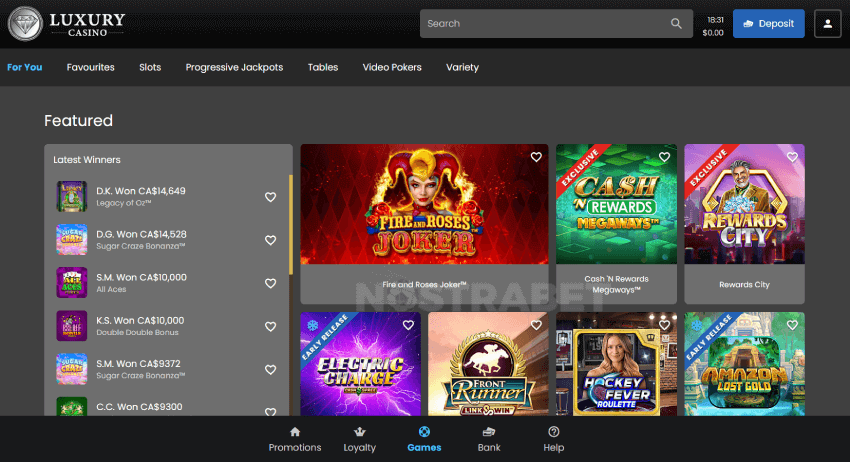
Choosing an online casino involves more than comparing game lists or promotional headlines. Canadian adults should first examine whether the operator explains its ownership, jurisdiction, account checks, payment conditions and tools for controlling play. The lussurio casino bonus information illustrates why promotional details need careful reading: a large headline may involve deposit requirements, wagering rules and eligibility limits. A trustworthy decision comes from checking the practical terms before creating an account, while treating gambling as paid entertainment rather than a way to earn income.
Start with the operator’s identity and jurisdiction
A credible casino should make its operating company, licence information and applicable terms reasonably easy to locate. This does not automatically mean the service is regulated in the same way as a provincially registered operator. For Canadian readers, the distinction between an offshore casino and an operator registered within a provincial framework is important because oversight, complaint routes and consumer protections may differ.
Check the legal name of the operator, the stated licence number, the licensing jurisdiction and the countries or regions accepted. These details should appear consistently across the website’s terms, privacy information and account rules. Be cautious when a site presents a licence logo without explaining who issued it or when the company name changes between its promotional pages and legal documents.
Jurisdiction also affects practical expectations. A Canadian-facing listing may mention CAD support or access from Canada, but geography alone does not prove that every product, payment method or promotion is available to every resident. Before depositing, read the current terms for your province, age requirements, excluded locations and any restrictions attached to account use. A trusted choice is one where these limitations are visible rather than left for the player to discover after a dispute.
Use responsible-gambling controls before they become necessary
Responsible-gambling tools are most useful when selected before a difficult session, not only after spending more than intended. Look for controls such as deposit limits, loss limits, wagering or stake limits, session reminders, reality checks, cooling-off periods and self-exclusion. The important question is not simply whether a casino lists these tools, but whether it explains how to activate them and when they take effect.
Set a realistic entertainment budget that does not affect rent, food, debt payments or savings. A weekly or monthly limit can be paired with a time boundary, because long sessions may make losses feel less significant and encourage chasing. Avoid increasing a limit during play. If the account system allows a higher limit immediately but delays reductions, plan ahead and lower it before beginning a session.
Self-exclusion should be treated as a firm break from gambling rather than a temporary strategy for recovering losses. If gambling is causing financial, emotional or relationship problems, speak with a qualified Canadian support service or health professional. No casino control can guarantee safe behaviour, prevent every form of overspending or replace outside help. A trustworthy operator presents these tools clearly and does not frame them as obstacles to continued play.
Read bonus terms as a separate financial decision
Promotional language often highlights the maximum available percentage or number of free spins, while the conditions determine the offer’s real value. Check whether the promotion requires one or more qualifying deposits, whether the bonus is divided across several deposits and whether a minimum deposit or maximum bonus applies. Never assume that a headline amount is available in one transaction.
Wagering requirements deserve particular attention. Some offers apply the multiplier to the combined deposit and bonus rather than to the bonus alone. Also check which games contribute, whether live-dealer, crash or instant-win games are excluded, and whether different games contribute at different rates. A bonus balance may be removed if you withdraw, cancel the promotion or fail to meet a time limit.
Read the rules for maximum eligible bets, restricted strategies, winnings caps, expiry dates and the treatment of unused free spins. A no-deposit promotion, when offered, may still require a later qualifying deposit before winnings can be withdrawn. If the terms are inconsistent between the cashier, promotion page and general conditions, ask support for a written clarification and keep a copy. A bonus should never be accepted simply because refusing it feels like missing out.
Test whether the account rules are transparent
Account verification is a normal part of online gambling, particularly when money is withdrawn. A casino may request government-issued identification, proof of address and evidence that the payment method belongs to the account holder. Review the privacy notice to understand how documents are submitted, and use only the official account or support channel rather than sending sensitive information through an unverified contact.
Check the rules on duplicate accounts, changes to personal details, payment ownership and withdrawal reviews. An account may be restricted if information is inaccurate or if another account already exists for the same person or household under the operator’s rules. Verification can also take longer when a payment or game-provider review is required, so published processing windows should be treated as estimates rather than promises.
Before playing, confirm how to contact support and what records are available. Keep deposit receipts, promotion terms, support conversations and withdrawal references. If a dispute arises, request a clear explanation of the decision and the documents still needed. A useful support service should identify the issue without pressuring you to deposit more. Where the terms allow an external complaint route, note the required time limits and preserve your evidence.
Compare payment conditions without assuming convenience
Payment choice is part of trust because costs, thresholds and review procedures can affect access to your money. A casino may list cards, bank transfers, e-wallets, vouchers or cryptocurrency, but availability can vary by country, currency, bank and individual cashier profile. Confirm the method shown in your own account rather than relying on a directory or an old promotional page.
Review the minimum deposit and withdrawal amounts, transaction fees, processing stages and any play-through rule that applies even when no bonus is accepted. A withdrawal may first undergo casino-side approval and then a separate method or bank delivery process. Identity checks, payment-ownership checks and game reviews can extend the overall time. Do not deposit solely to reach a withdrawal threshold you had not noticed.
Payment security matters as much as speed. Use a method in your own name, enable account security features where available and avoid sharing passwords or one-time codes. Cryptocurrency can introduce exchange-rate and transaction risks, while cards and bank methods may have their own policies for disputed transactions. Compare the full conditions, choose an amount you can afford to lose and regard any advertised processing window as conditional on a complete, compliant account.
Questions Canadian players commonly ask
Does a licence automatically make a casino trusted?

No. A licence is one factor, not a complete guarantee. Check the issuing authority, operator identity, current terms, complaint process and responsible-gambling controls. Also distinguish offshore licensing from provincial registration, since the oversight structure and available consumer remedies may not be identical for Canadian residents.
Should I accept a large welcome bonus?
Only if you understand the full conditions and would deposit the same amount without the promotion. Check wagering, eligible games, expiry, maximum bets, withdrawal restrictions and winnings caps. If the rules are unclear or the offer encourages spending beyond your budget, declining it is the safer decision.
What is the first responsible-gambling limit to set?
Start with a deposit limit based on money already allocated for entertainment, then add a time or session limit. Set it before playing and avoid raising it during a session. If gambling is becoming difficult to control, use a cooling-off period or self-exclusion and seek independent support.