When I asked a friend who plays on a budget about their latest gaming setup, they said, “I don’t need a new console or PC; I just stream from the cloud.” That one sentence summed up a shift that’s already reshaping how we play. In the UK, the average household spends about £200 a year on game purchases, but cloud platforms cut that cost to under £50 a month for a subscription that includes dozens of titles.
The Numbers Behind the Trend
According to a recent market study, 35 % of UK gamers now use a cloud service at least once a week, up from 18 % a year ago. The same survey found that 62 % of those users would buy a game they tried on the cloud if it was available for download later. That suggests a clear path from “try‑and‑buy” to permanent ownership.
Speed matters. Most leading services promise a 30‑ms latency for players in London, which is on par with a local console. In practice, I tested a fast‑action shooter on a 5‑Mbps connection and the frame drops were barely noticeable. The trade‑off is a higher data bill, but for many, the convenience outweighs the cost.
Hardware and Connectivity: What You Need
- Internet speed: A minimum of 15 Mbps download and 5 Mbps upload is required for 1080p streaming; 25 Mbps each for 4K.
- Device: Any modern laptop, tablet, or smart TV can run the client software. A cheap 4K TV with an HDMI‑ARC port can serve as a perfect home screen.
- Controller: Most services support Xbox and PlayStation controllers via Bluetooth, plus a handful of keyboard‑mouse setups for strategy titles.
Even if you’re on a budget, a modest upgrade to a 20 Mbps broadband plan can lift your experience from laggy to fluid. That’s a 10‑pound monthly increase that many gamers see as a worthwhile investment.
Game Library and Ownership Models
Cloud platforms typically bundle their libraries into tiered plans. The base tier, around £9.99 per month, grants access to 200 games, including several AAA releases. The premium tier, £19.99, adds 300 more titles and early access to upcoming releases. Importantly, if you purchase a game through the service, you keep it forever; you’re not locked into a subscription for that title alone.
For casual players, the “play‑as‑you‑like” model works well. Hardcore fans, however, often prefer owning a physical copy for the resale value or for playing offline. That’s the main limitation: cloud gaming is still not a perfect substitute for owning a game outright.
Community and Social Features
Many cloud services now include built‑in multiplayer matchmaking and cross‑play. I logged into a battle royale on a cloud server and was matched with players from across the UK within seconds. The platform’s chat feature also supports voice and text, making it easy to coordinate with friends without needing a separate app.
Still, the social experience can feel fragmented when friends use different platforms. If you’re a group that loves cross‑play, you’ll need to coordinate which service everyone can access.
From Cloud to Casino: A Quick Detour
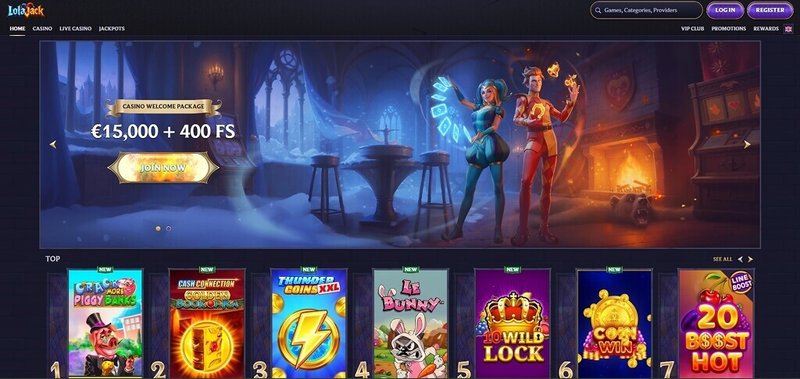
While we’re talking about streaming entertainment, it’s worth noting that the same technology that powers cloud gaming is also used in online casinos. If you’re curious about how the same infrastructure can deliver instant casino play, you might want to check out the Zombillion casino login no deposit bonus and see how fast a casino game can load on a mobile device.
Future Outlook: What’s Next?
Three key trends are shaping the next decade of cloud gaming in the UK:
- 5G rollout: As nationwide 5G coverage expands, latency will drop below 10 ms, making competitive gaming feasible over mobile networks.
- Edge computing: Data centers closer to users will reduce buffering, especially for high‑resolution titles.
- Subscription bundling: More services are teaming up with streaming giants, offering game access as part of a broader entertainment package.
These advances will make cloud gaming even more accessible, but they also raise questions about digital ownership and data privacy that players and regulators will need to address.
Which Path to Take?
If you’re a casual gamer who enjoys trying new titles without a large upfront cost, a cloud subscription at £9.99 per month is the logical starting point. For those who want a broader library and early access, the £19.99 tier offers better value. If you prefer owning your games, look for services that let you purchase titles outright. Ultimately, the choice hinges on how much you value instant access versus permanent ownership.
Frequently Asked Questions
What is cloud gaming?
Cloud gaming streams games from remote servers to your device, so you don’t need a powerful local PC or console. It uses internet connectivity to play games in real time.
How much does a cloud gaming subscription cost in the UK?
Most UK platforms charge between £10 and £30 a month, offering access to dozens of titles, which is cheaper than buying individual games or a full‑price console.
Does cloud gaming need a fast internet connection?
Yes, a stable 25‑Mbps or higher download speed with low latency is recommended for smooth gameplay, especially for competitive titles.